


Through the combination of technical dance, elaborate theatrical set-up, music, costume design, and stage scenery — ballet engages the audience in a spectacular showcase of elegant expressionism. Ballet is a romantic story of song and dance, the intimacy of delicate movements in conjunction with classical music. It is undoubtedly an art form that speaks of a rich history dating as far back as the Italian Renaissance, distinguished by pointe technique, precise body movements, and powerful emotions. And yet, like most things, ballet has also grown to evolve with the times through modern reinterpretations from people of various backgrounds. People who, despite their unorthodox background, have sought to redefine ballet beyond traditionalism. People like Misty Copeland.
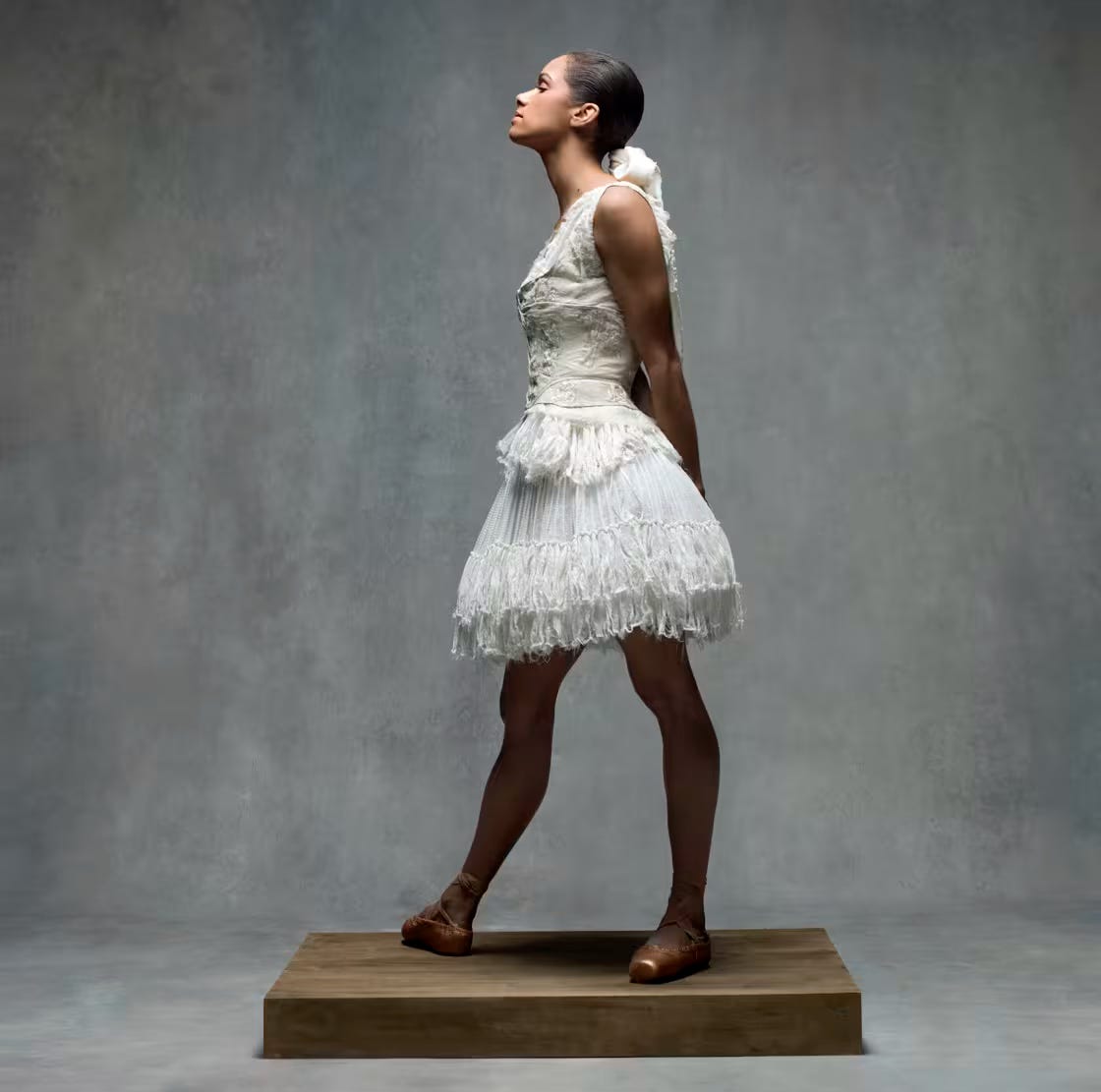
After 25 years of classical ballet for the renowned American Ballet Theater, Misty Copeland announced her retirement from ABT on October 22, 2025. As the first African American woman to serve as a principal dancer in their 75-year long legacy, Copeland is an inspiration to others who seek to pursue their dreams and, in the process, challenge conventional norms regarding privilege and social status. Ballet, despite its sophisticated technical appeal, still largely remains a field of dance dominated by white female dancers. Copeland was also disadvantaged to some extent by her relative late-bloom status when she started dancing at 13. Ballet dancers often start learning foundational ballet training from ages 3 to 6 because it is much easier to develop good habits and the discipline later on. They develop crucial motor skills that provide a solid basis for more advanced techniques as they grow older. Despite these supposed disadvantages, Copeland displayed a natural affinity for ballet that earned her a scholarship at the San Francisco Ballet School. Later, she would go on to join ABT as a member of the corps de ballet in April 2001, becoming a soloist six years later. As a reward for her hard work and determination, June 2015 saw ABT promote Copeland to their principal dancer, the highest rank for a ballet dancer! Not only did she become the company’s first African American female soloist in two decades (Anne Benna Sims and Nora Kimball had preceded her), Misty Copeland became the lead performer for one of the most renowned ballet companies in America! Among many notable performances were the The Firebird (2012), Gulnare in Le Corsaire (2013), Swanilda in Coppélia (2014), and the dual lead role, Odette/Odile, in Swan Lake (2014).
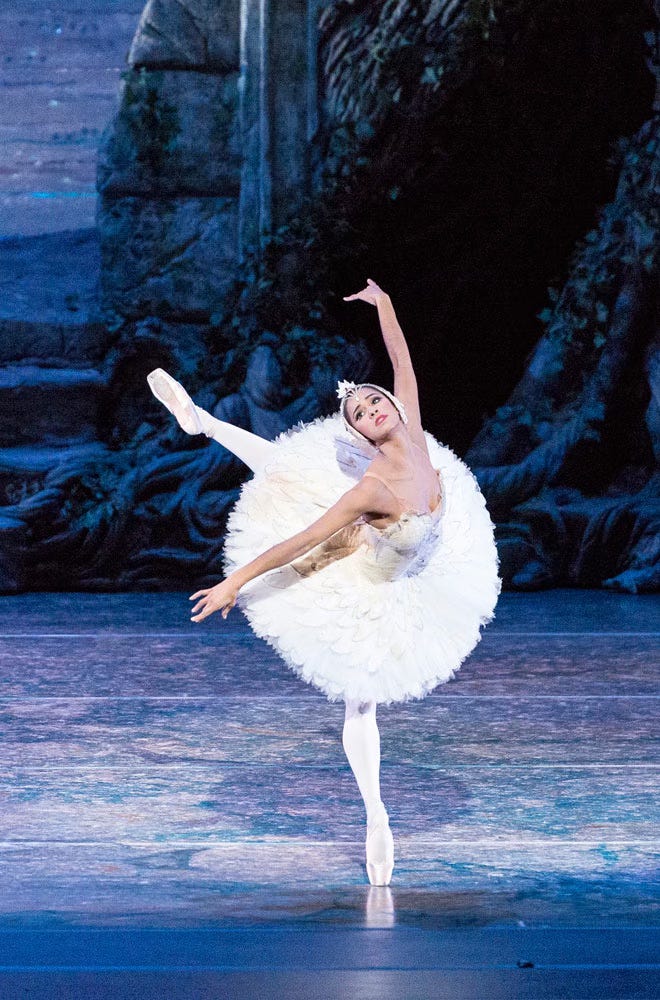
However, behind the grand spectacles of ballet and the accomplishments that would cement Misty Copeland’s legacy is a woman of humble origins.1 A young girl uncertain of her future, who struggled to grow up in San Pedro, California with a single mother and five siblings due to financial instability. It was in middle school, through the drill team and their coach’s recommendation specifically, that granted her the opportunity to attend ballet classes taught by Cynthia Bradley, creative director of the San Pedro City Ballet. There, Copeland began training under Bradley, even moving in with the director and her family in order to be closer to the studio. At age 15, she won first prize in the ballet category of the Los Angeles Music Center Spotlight Awards, as well as a full scholarship into the intensive summer program at the San Francisco Ballet. Later, Copeland would go on to win another full scholarship, this time to the ABT’s intensive summer program, then invited to join the ABT studio company for developing dancers. Soon after, in 2001, she became a member of the ABT’s corps de ballet, the only African American woman in a group of 80 dancers. During this period, Copeland stood out not only in skin color but also in body type, as she was more muscular and full-figured, and had experienced challenges as a result of those differences. As alluded to in an interview with CNN2, “I’ve experienced difficulties being a Black woman when you stand out, especially in the corps de ballet when it’s supposed to look uniform, and everyone kind of in the same tones wearing pink tights, which represent the color of your skin,” Copeland said. “And that wasn’t always the case.” According to a CNN article, she admits there were times she wasn’t cast in roles out of concerns she would ruin the piece’s aesthetic, or was told she should lighten her skin. In another interview, this time with CBS News, Copeland said the attention came with intense pressure and unfair expectations. “There were articles being written, ‘If Misty doesn’t go onstage and perform Swan Lake perfectly, does she deserve to be a principal dancer? Is this because she’s Black? Is this why she’s getting this opportunity?’” she recalled. Questions regarding diversity always seem to come with doubts regarding the supposed legitimacy of the person (of color) given the opportunity over someone else. For Copeland, this was especially true given the traditional legacy of ballet dancers.
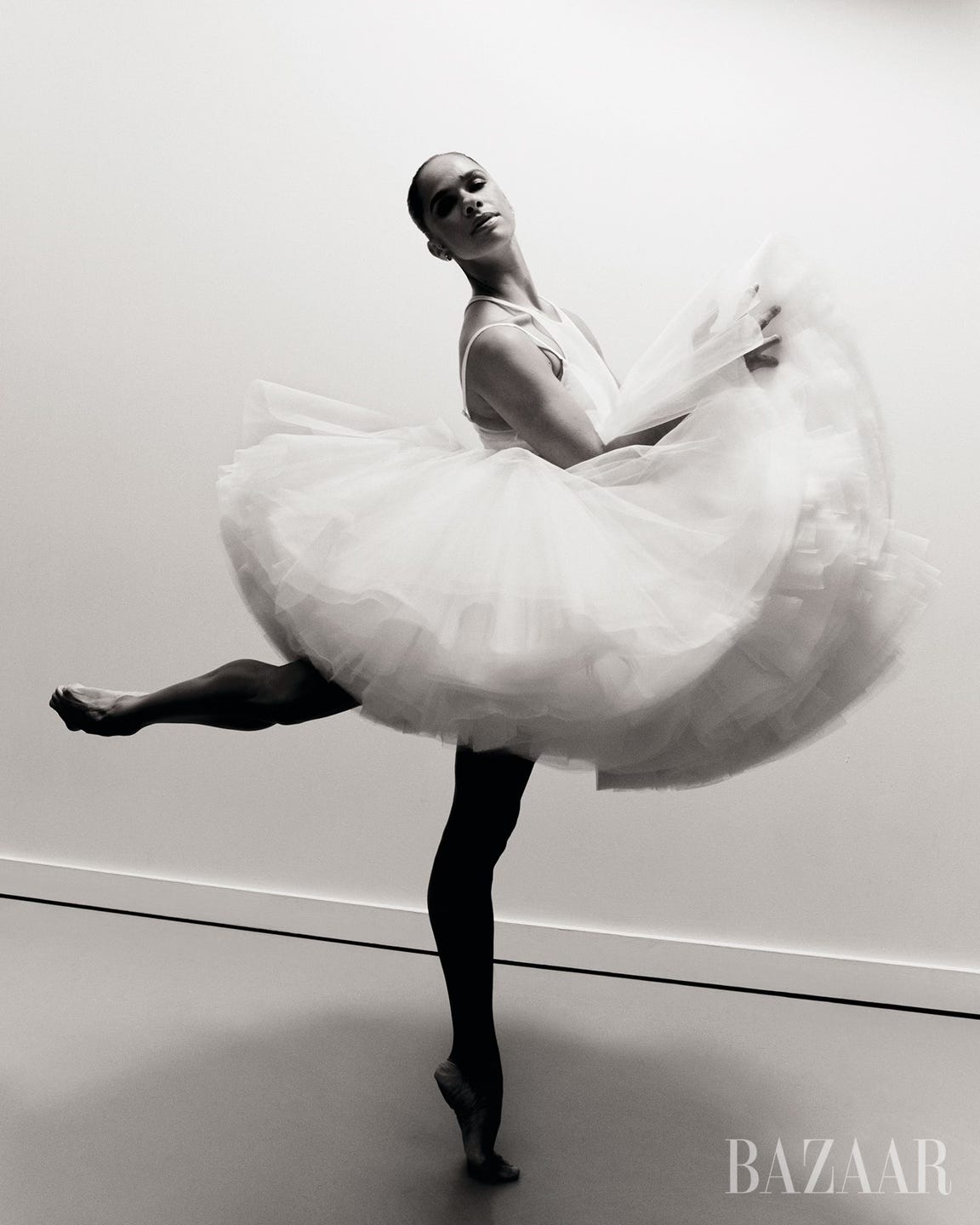
And yet, despite the apparent challenges that came with the territory of challenging ballet norms, her talent spoke for itself. Copeland climbed the ranks, and thus the respect and admiration by peers, audience, and experts alike through her exceptional skill. To quote from author Leah Asmelash’s CNN article regarding people’s perception of her legacy:
“Misty Copeland’s influence reaches far beyond her extraordinary performances,” said Susan Jaffe, artistic director for the American Ballet Theatre, in a statement. “On stage, she broke barriers and redefined what it means to be a ballerina, inspiring generations with her artistry, strength, and grace. Off stage, she has used her voice to open doors and expand access to ballet and the arts. Her impact is still being defined, but there is no question it will be felt for decades to come.”
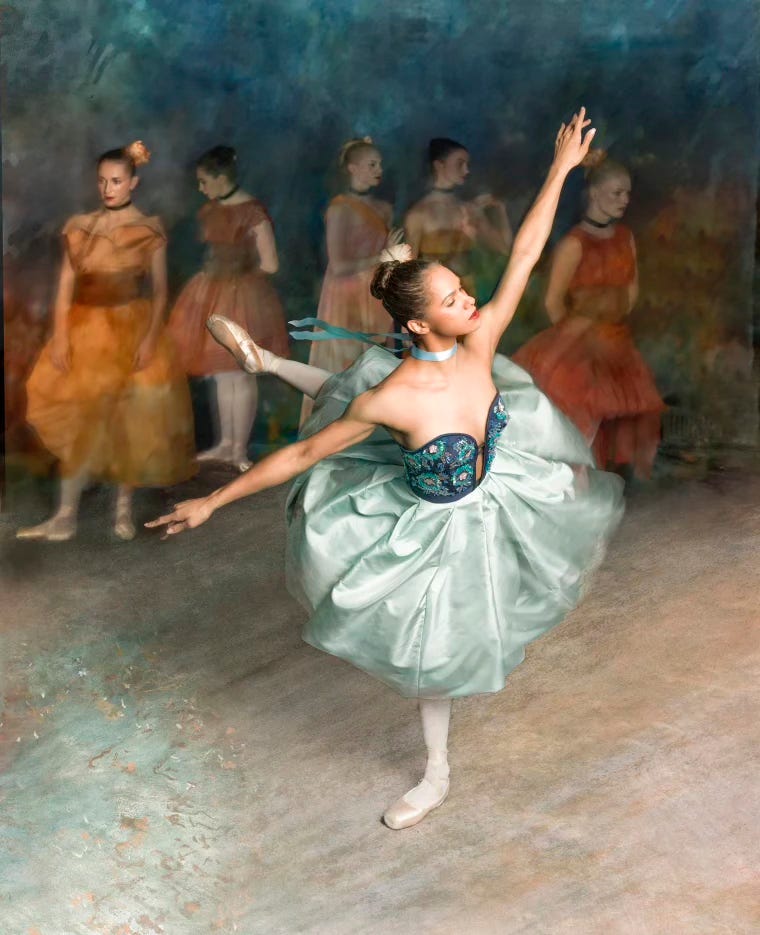
Her prominence could not have come at a better time in terms of representing and inspiring future Black ballerinas. As noted, the Dance Theatre of Harlem — one of the only ballet companies in the world that trained and highlighted ballerinas of color — went on hiatus due to financial difficulties from 2004 to 2012. There weren’t many Black dancers at other companies to begin with, and the DTH’s hiatus further compounded the issue of diverse representation. Therefore, Copeland’s success was crucial in demonstrating to everyone the value of looking beyond traditional standards for ballet talent. Furthermore, she proved to be a positive role model, as seen through work done outside ABT listed on her personal site - “Misty started her production company, Life In Motion Productions, focused on bringing representative stories of artists past, present, and future, and normalizing the arts experience. Her first independently produced project, Flower, premiered at the Tribeca Festival in 2023 and is a silent arts activism film using dance to help raise awareness about intergenerational equity. Misty is an avid philanthropist and is an ambassador of the Boys & Girls Clubs of America, of which she is also an alum. In 2022, Misty launched The Misty Copeland Foundation, with its first signature program BE BOLD, which aims to bring greater diversity, equity and inclusion to dance, especially ballet.”
What is her relationship with ballet? Why ballet of all things?
“I felt beautiful and I felt powerful and I felt strong and I felt like I had a voice. I felt confident and I felt stability for the first time in my life,” she said. “Because the way I grew up there was no stability. There was a lot of chaos and movement, and, didn’t always have a home and food on the table. And so ballet became, dance allowed me to flourish. It gave me structure. It gave me discipline. It gave me grace. It gave me a purpose.” The true beauty of art is not in the final product but the enduring relationship between the artist and the chosen medium to express the artist’s self. Though Misty Copeland may have danced her swan song in October, her legacy will continue dancing to the tune of her love and passion for ballet.

Edited By Lilli Eve
https://mistycopeland.com/about-2/
