


I met Yen Bailey at a meeting for a local political organizing group. At some point during the discussion, she stood up and said something that immediately shifted the air in the room: there were people missing from this conversation, entire communities not present, not represented.
My ears perked up. My head turned. I knew I needed to meet her.
As part of an ongoing effort at Kailon Magazine to engage more directly with civic life, and to better inform our readers, many of whom are college aged and entering some of their most formative voting years, I have been reaching out to local politicians and candidates across our region. The goal is simple: to create space for longer, more human conversations that go beyond soundbites and campaign slogans, and to help demystify the people and processes shaping our local and national future.
This interview is part of that effort.
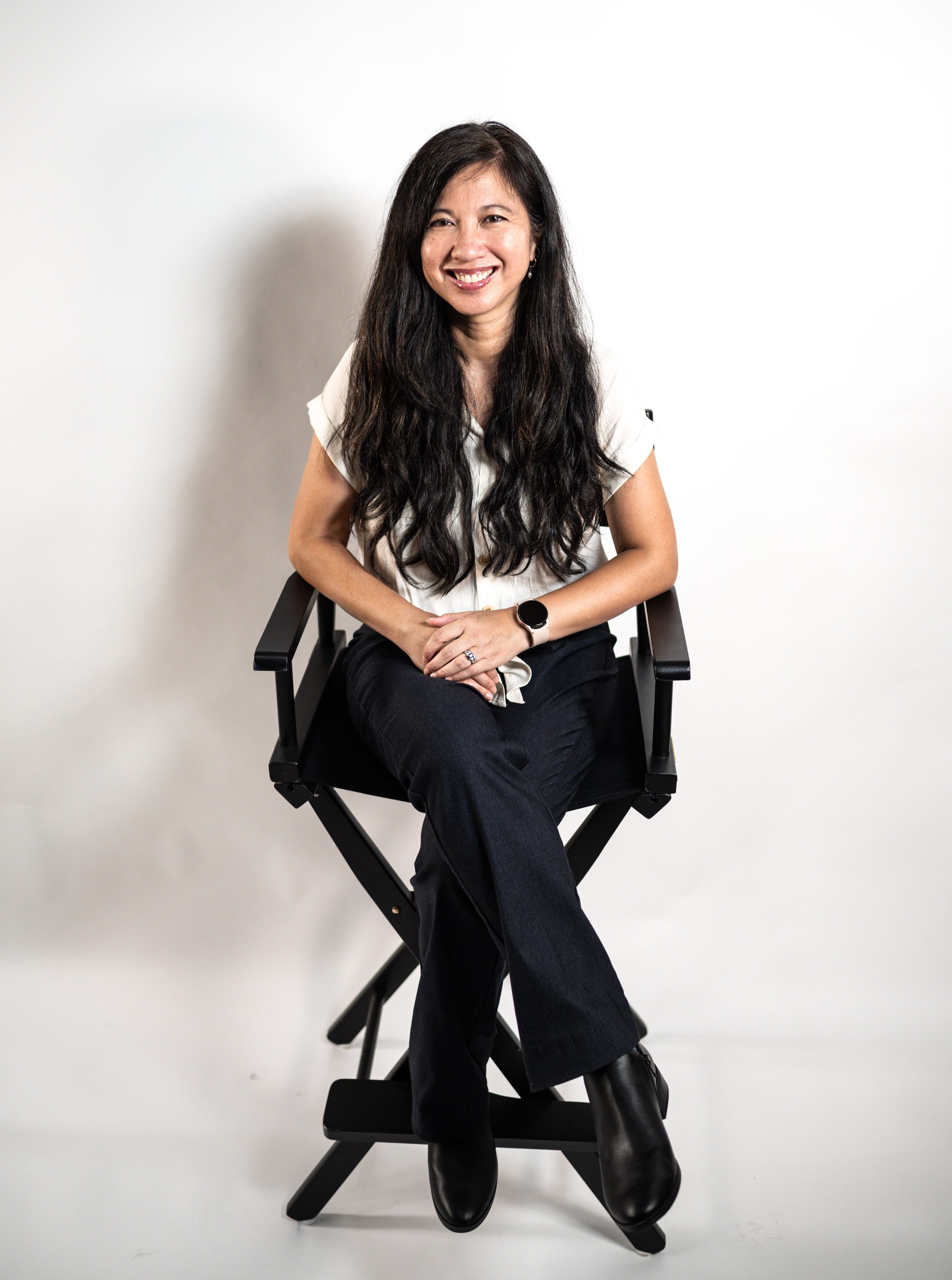
Yen Bailey is a Democratic candidate for U.S. House in Florida’s 2nd Congressional District. She is also a lawyer, a mother, a caretaker, and a Vietnamese American woman navigating political spaces that have not historically been built with people like her in mind.
On Identity and Representation
Bailey is keenly aware of who is, and isn’t, in the room.
“When I walk into political spaces,” she told me, “I notice the lack of all diversity, not just Asians.” For her, representation isn’t about optics, it’s about acknowledging that entire communities remain structurally absent from leadership and decision-making. That absence, she believes, weakens democracy itself.
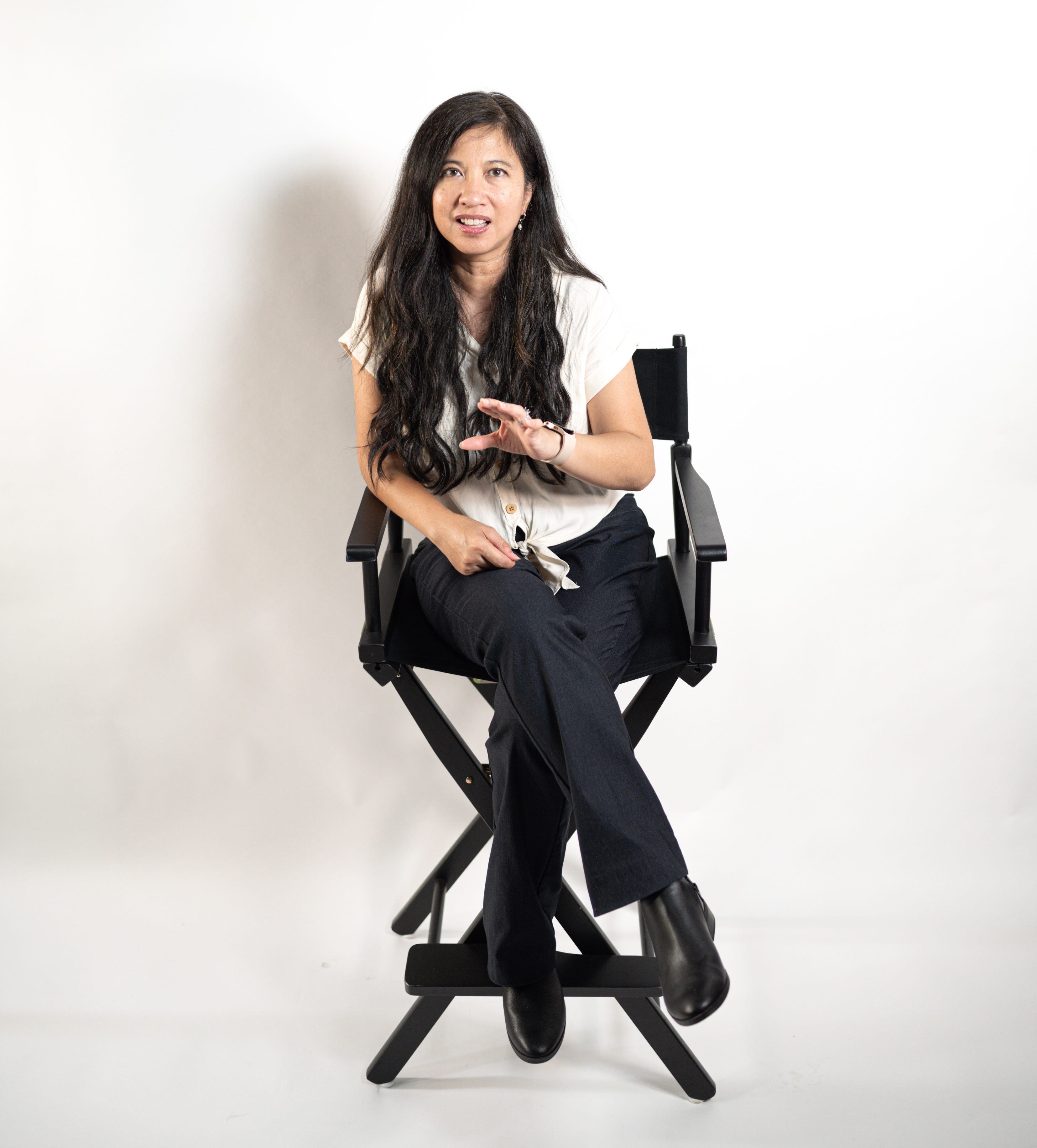
Her approach to leadership is shaped by the many roles she has occupied: mother, wife, lawyer, and caretaker to her father. “Being a representative is about connection,” she said. “It’s about being able to relate. My experiences, and the different hats I wear, give me that ability.”
An Unexpected Path to Running for Office
Running for Congress was not a lifelong dream for Bailey. In fact, it was unexpected.
At the time, she was working with Every Vote Florida, focusing on voter outreach in rural, low-income areas and among young people. After repeated attempts to work within established organizations with limited success, it became clear to her that something wasn’t working. When she was approached to run – after the qualifying deadline, with only three months left before the election, the odds were daunting.
The incumbent would have run unopposed. Few people were willing to step in.
“I knew it would be difficult,” Bailey said. “But I also knew it would help accomplish goals I was already working toward. I’ve done difficult things before, so what’s another challenge?”
Who Is Congress Not Listening To?
When Bailey says she wants to be “our voice in Congress,” she means it literally.
She spoke about traveling through rural counties like Washington and Taylor, where residents told her they hadn’t spoken to a candidate in years. She mentioned communities in South Tallahassee and Gadsden County who feel politicians only appear during election season.
“These are the people who most need a voice,” she said. “And they know when they’re being ignored.”
For immigrant and working families, Bailey believes one of the most neglected issues is immigration reform. “Our system is broken,” she said plainly. “It shouldn’t take decades to immigrate legally. It shouldn’t be so expensive or so impossible to navigate that you need a lawyer just to survive the process.”
She emphasized the urgency of fair solutions for Dreamers and for people who have lived, worked, and paid into the system for decades without access to benefits or stability.
Priorities, Accountability, and Access
If elected, Bailey says her first priority would be restoring Congressional oversight.
“One of Congress’s main jobs is to provide a check on the executive branch,” she said. “And they haven’t been doing that.”
Beyond oversight, she spoke about rebuilding the district’s economy, bringing in industries like aerospace in the western part of the district and pharmaceutical manufacturing, particularly leveraging institutions like FAMU’s pharmacy program. Equally important to her is constituent service – helping people actually access the funds, grants, and resources that already exist.
“The average person has no idea how to fill out grant paperwork,” she said. “You can’t expect a small business owner to do that alone.” She envisions grant workshops and hands on assistance across the district, making government more navigable rather than more distant.
On DEI, Electability, and the Cost of Running
In my writing, I have argued that minority candidates are forced to constantly prove their electability while navigating donor networks, prejudice, and disproportionate scrutiny. Bailey did not hesitate to agree.
“I’ve had community leaders tell me outright that they believe our candidate should be white, male, and a veteran,” she shared. “I’m none of those things, but I know I’m qualified.”
What grounds her, she said, is her record of service and her ability to connect, even with conservative voters. “Once people start talking to me, they realize I’m here to help. I care.”
To Bailey, representation without substance is meaningless. “If you’re not delivering for people, you’re doing a disservice. You might as well not be there.”
She is unapologetic in her belief that DEI and affirmative action remain necessary. “We are not in a post racial society,” she said. “Until there is true equality, we still need protections for the groups who haven’t achieved it.”
Bridging Division and Building Trust
Bailey believes today’s political division is intentional.
“It serves the people in power to keep us fighting each other,” she said. “Because then we don’t notice who’s actually benefiting.”
Across party lines, she believes people want the same things: safe schools, affordable healthcare, and the ability to pay their bills. “There needs to be less left versus right, and more top versus bottom.”
Building trust, she says, starts with showing up consistently, not just asking for votes. Her campaign has participated in food drives and community support efforts, focusing on follow-through rather than optics.
“It’s not enough to create ‘safe spaces,’” she said. “You have to actively invite people in.”
Sustaining the Work
Campaigning is exhausting. Bailey is candid about that.
“Therapy helps,” she said with a laugh. “I started pretty early in the campaign, knowing how intense it would be.” Staying grounded, she said, also means leaning on others who understand the pressure, and remembering the people who tell her to keep going.
As a mother of two teenagers and a longtime caretaker for her father, balance is an ongoing challenge. She spoke openly about leaving a job she loved when her father’s dementia progressed, and about the support of her husband and children.
“The mom guilt is real,” she admitted. “That’s what therapy is for.”
Looking Ahead
Bailey will formally mark the start of her campaign with a public kickoff event on January 10th at 5:00 PM at Element 3 Church, offering community members an opportunity to hear directly from her, ask questions, and engage in dialogue about the future of Florida’s 2nd Congressional District.
What She Wants Her Children to Remember
Regardless of the outcome, Bailey hopes her children remember that she didn’t back down from something difficult.
“I saw a situation where people needed a voice,” she said. “The odds were high, and it was going to be hard, but I didn’t let that stop me.”
That, she hopes, is the legacy: showing that hard things are worth doing, and that change requires people willing to step into uncomfortable spaces.
“This will take all of our efforts,” she said. “And we’ll do it together.”
Additional Links & Sources
We should all be so lucky to have a candidate like Bailey in our home district, or to support a candidate like Bailey, or to be a candidate like Bailey! Her wisdom applies to all of us, all the time: demonstrating how to be a good human. Quoting the article, she said "I saw a situation where people needed a voice...This will take all our efforts, and we'll do it together." YES, YES, YES!
Excellent article Nidia!