


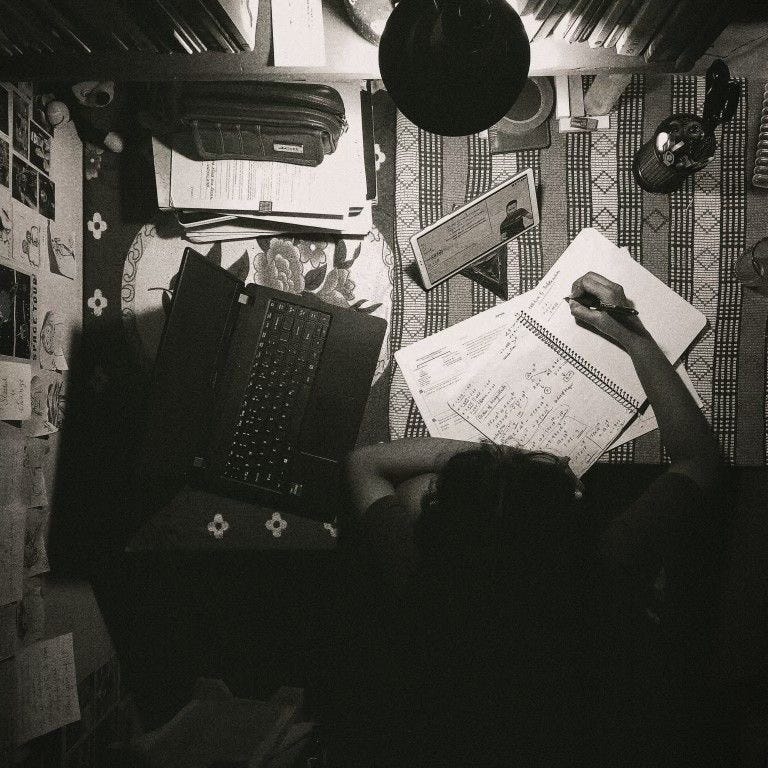
Originally ‘Black History Week’ was started by Dr. Carter G. Woodson in 1926, under the belief that Black youth were not being taught their true history, an ongoing battle we are still seeing today. It was celebrated the second week of February, purposely coinciding around the timeframe of the birthdays of Abraham Lincoln and Frederick Douglas. Driven by the goal of countering the neglect of African-American contributions by mainstream, white-washing historians, Civil Rights and Black Power Movements led to the shift of a week to a month, recognized by President Ford officially in 1976, during the US Bicentennial, urging Americans to “seize the opportunity to honor the too-often neglected accomplishments of Black Americans in every area of endeavor throughout our history”.
Highlighting Black Americans Writers
This is important, essential, especially in the current political climate we find ourselves in today, where we have been robbed of a Black Woman as President, where Americans are being shot and killed by ICE with no punishment, where ‘critical race theory’ is now all of a sudden controversial, as if we were being taught the full truth in the first place. It is important, now more than ever, to decenter the white, default narrative, to rectify historical erasure and showcase the diversity of the Black experience. The body of work from the writers I will mention below actively does just this, and inspires Kailon Magazine as a whole to dismantle stereotypes, foster empathy and provide crucial, authentic perspectives on systemic racism, history and identity. As Malik Windsor states in “The Importance of Black Literature”, “Black Literature acts as a filling in the cavity of history, the tales of the disenfranchised and long forgotten recreating truth in the world”.
James Baldwin
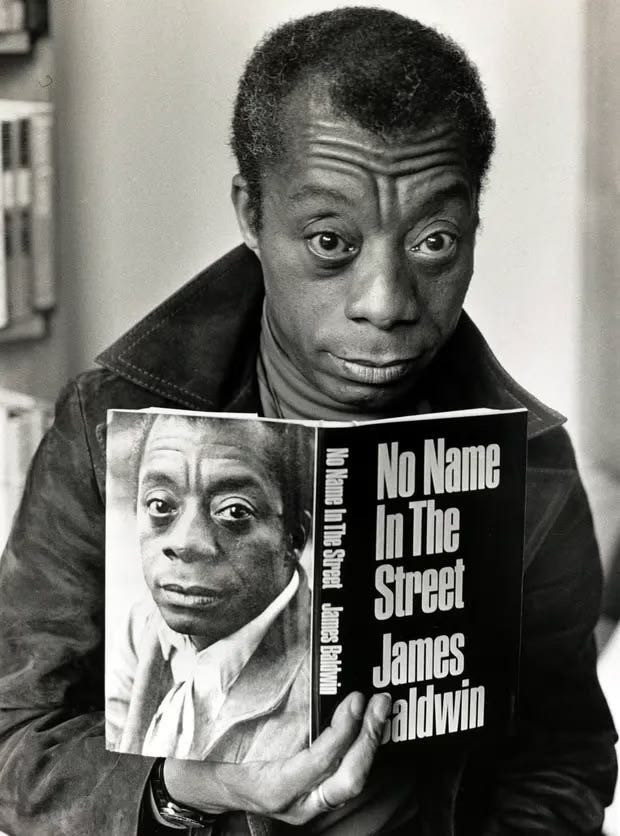
One of my personal favorite writers and human beings of all time. Born in Harlem, writer and artist James Baldwin was renowned for his lyrical prose, intense emotional honesty and human connection. Often highlighting the need to reconcile personal identity with societal pressure. He felt he could best critique America from Europe. While living in France for much of his life, he wrote of race, sexuality and politics, more than ahead of his time.
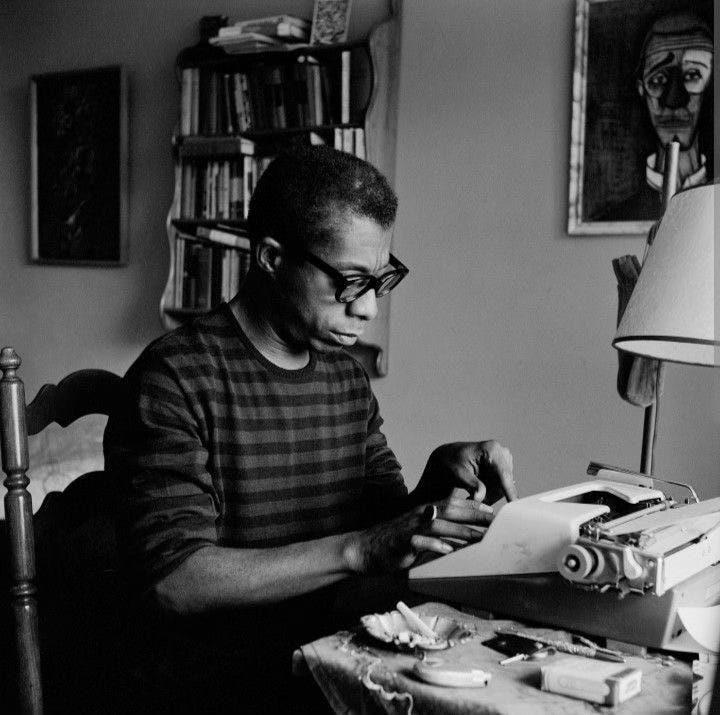
Favorite Quotes:
“I am terrified of the moral apathy, the death of the heart that is happening in my country.”
“The children are always ours, every single one of them, all over the globe; and I am beginning to suspect that whoever is incapable of recognizing this may be incapable of morality.”
“Love has never been a popular movement and no one’s ever wanted really to be free. The world is held together, really it is, held together, by the love and the passion of a very few people.”
Must Read from James Baldwin
Giovanni’s Room.
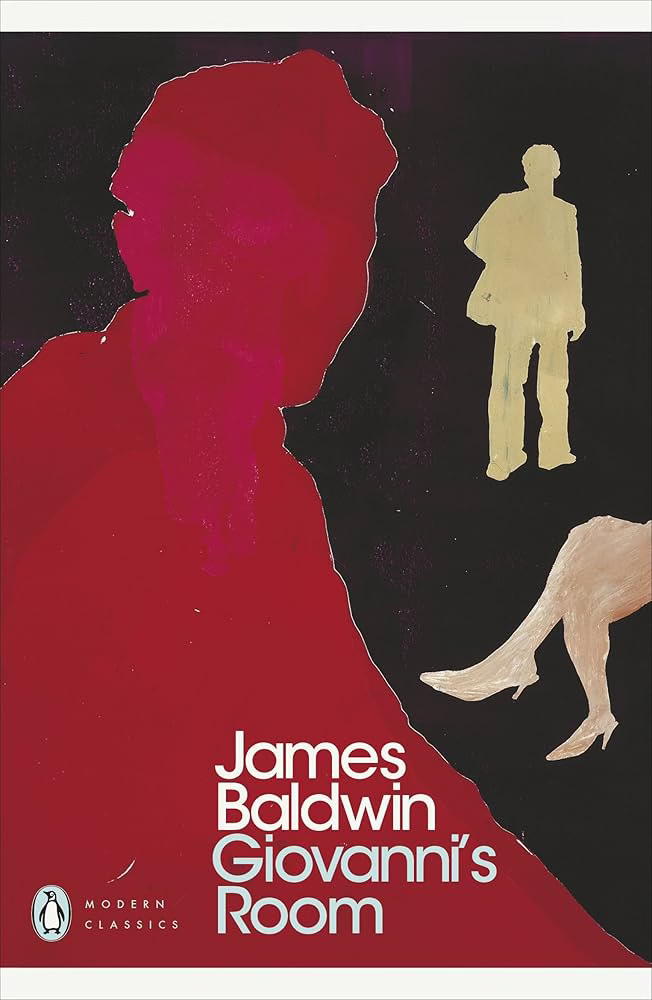
Arguably his most famous work that deals with identity, self discovery and the pains of love. The reader watches as the narrator, David, who is living in Paris while his girlfriend is living back in Spain, embarks on a love affair with an Italian man, with the narration switching between guilt and lust.
Another Country.
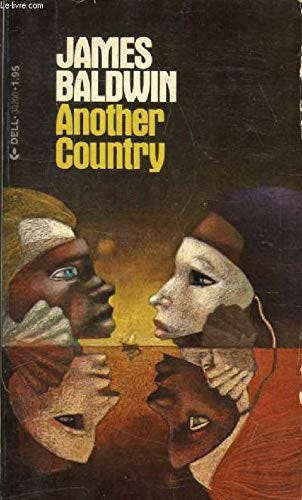
Explores themes of love, identity, race, sexuality, mental illness and human connection. Follows Rufus, a musician coping with mental illness in a divided Society.
Notes of a Native Son.
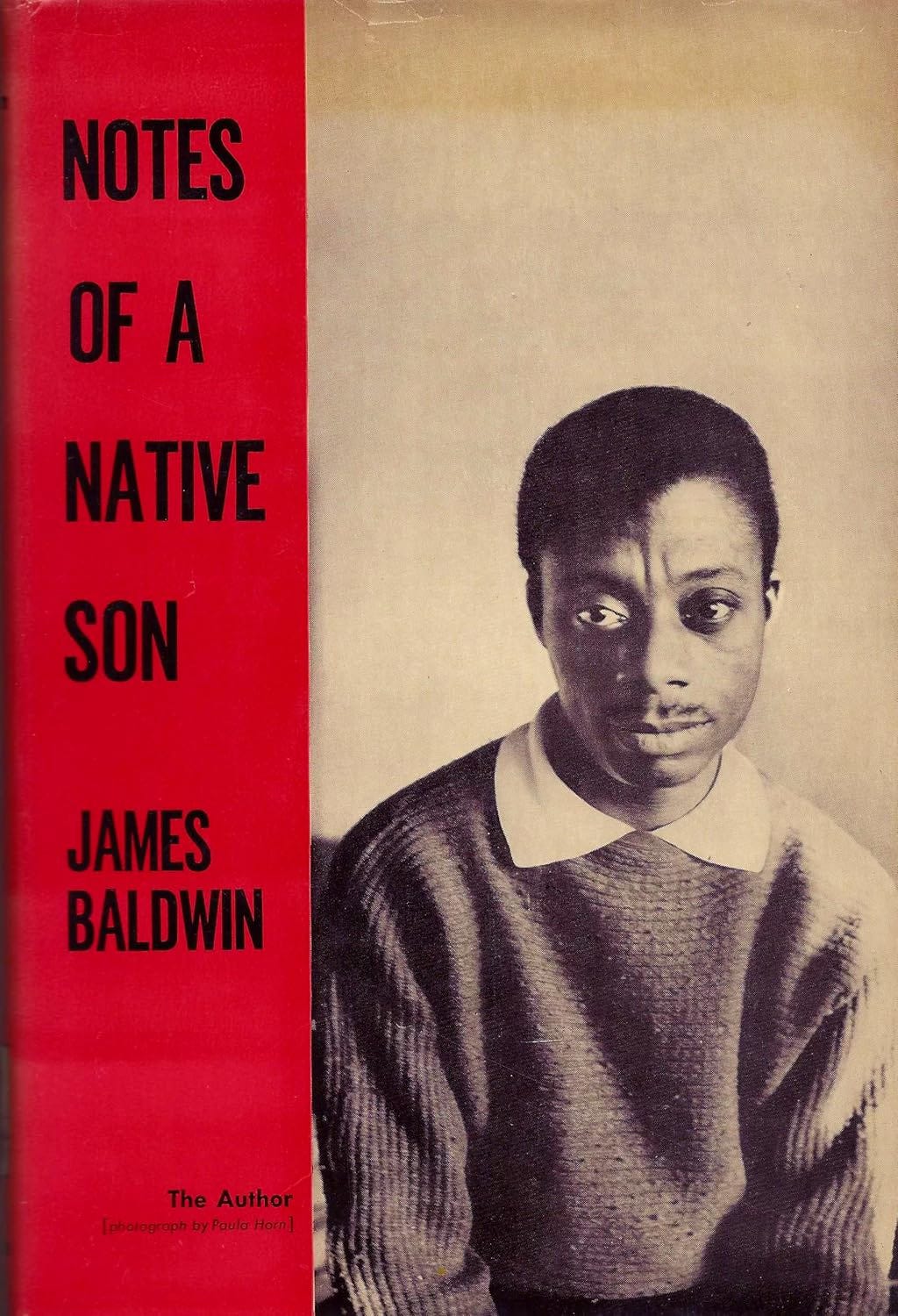
A collection of essays that explore themes of race and identity, with themes ranging from anger to bitterness and alienation, both in his family and in the broader context of racial tensions in America, although some essays within this collection show the difference in perceptions in Europe vs. America.
Going to Meet the Man.
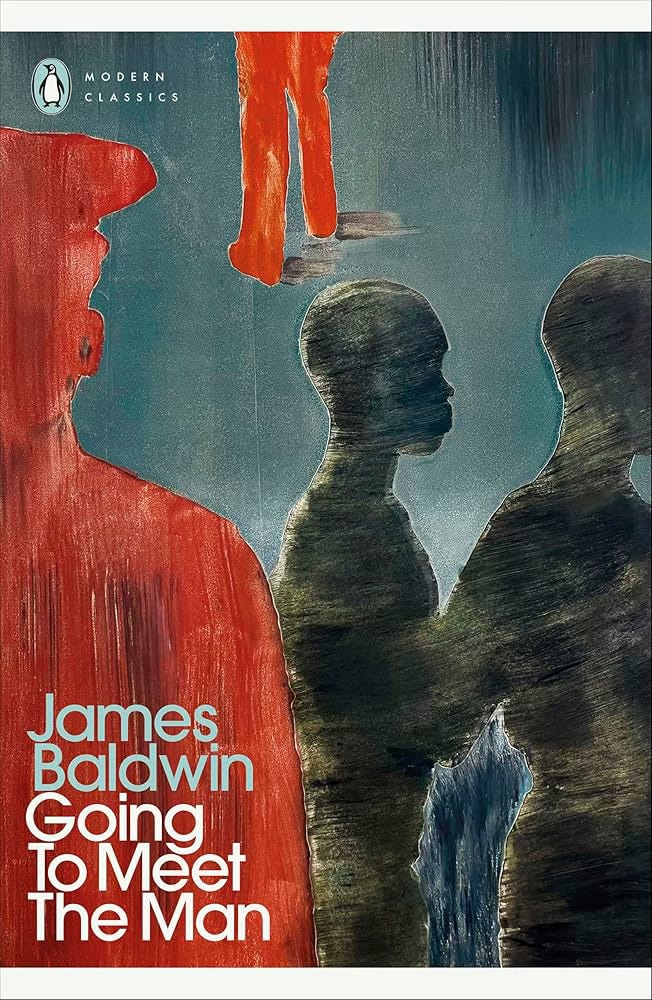
A short story collection that explores the themes of race, sexuality, human condition and relationships interwoven with the African-American experience.
If Beale Street Could Talk
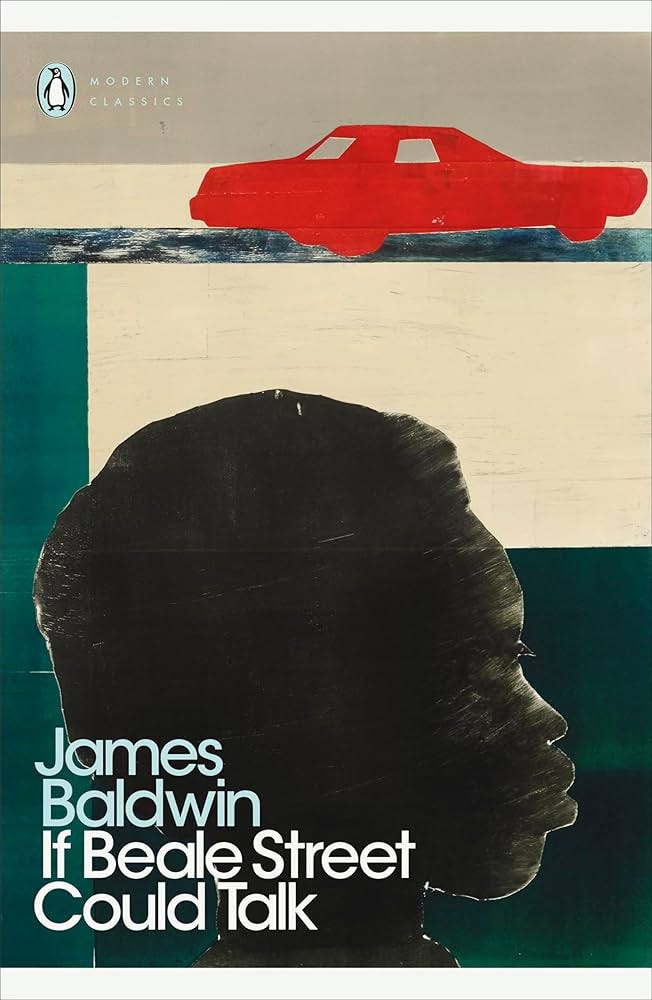
A moving love story set in 1970s Harlem about Tish and Fonny, a young Black couple whose future is interrupted when Fonny is falsely accused of a crime. As Tish fights to clear his name while pregnant with their child, the novel explores love, injustice, family, and the enduring impact of racism in America.
Toni Morrison
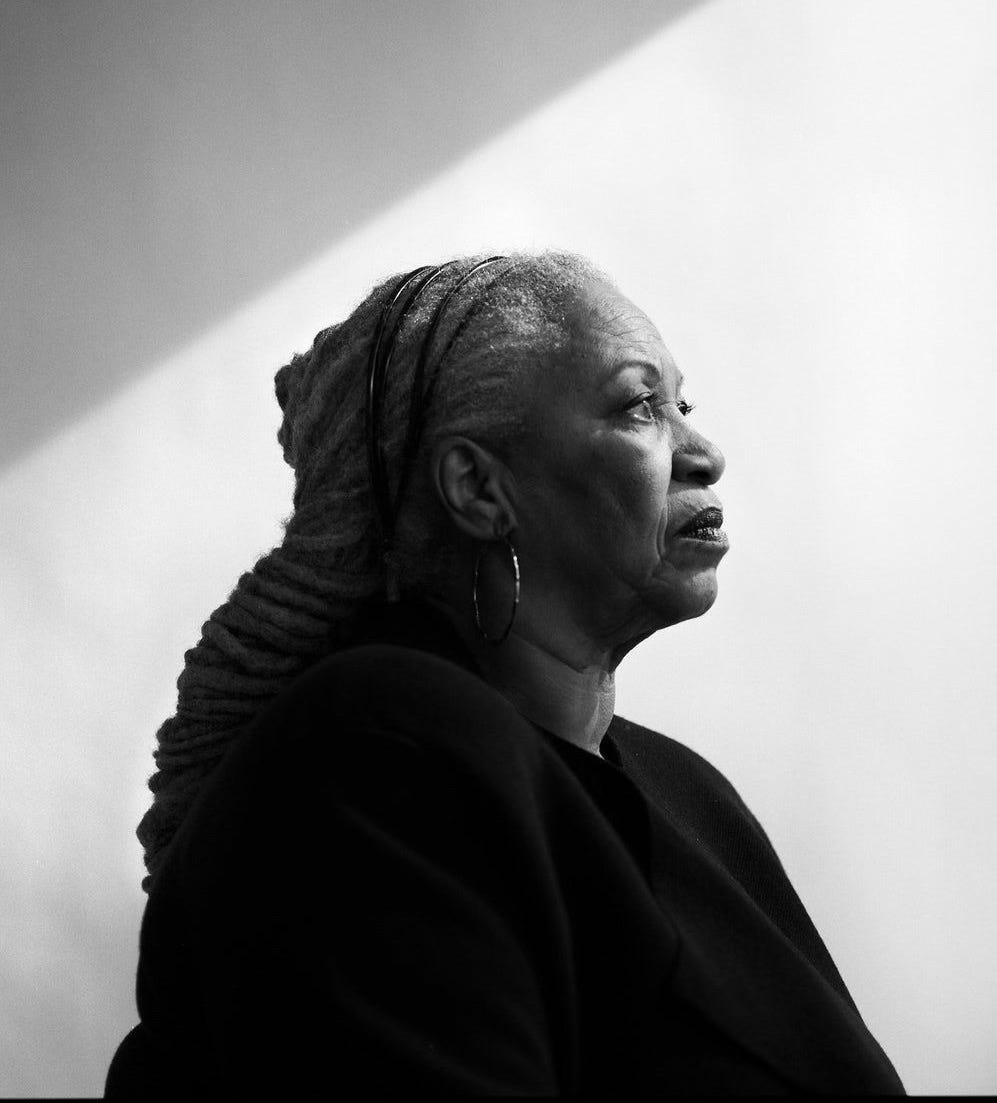
Born into a family that valued Black culture and story telling, Morrison would grow up to earn a B.A in English at Howard University followed by a Master’s at Cornell University. Morrison would later become a textbook editor at Random House, moving on to becoming their first Black woman senior editor in fiction. While teaching and raising her two sons on her own, and working simultaneously as an editor, she undertook the quiet, disciplined labor that would lead to her literary breakthrough. Rising each morning at 4 a.m., she carved out hours of solitude before the day’s obligations began, before her roles as single mother, instructor, and editor demanded her full attention. It was in those pre-dawn hours, sustained by resolve rather than leisure, that she wrote what would become her critically acclaimed debut novel, The Bluest Eyes, published when she was thirty-nine. At age 39 she released her now critically acclaimed debut novel, ‘The Bluest Eye’, while working as an editor, teacher and being a single mother, she would wake up every day at 4am for a chance to write in solitude. Toni Morrison would then go on to be one of the world’s most celebrated, awarded and critically acclaimed author of our time, transforming her experience as a Black woman and mother, diving into themes of systemic racism, intergenerational trauma stemming from slavery and the search for identity, examining the psychological impact of oppression through a lyrical, often magically realist, prose. Distinguishing herself further and cementing her impact by going on to receive the Nobel Peace Prize in Literature (1993), The 1988 Pulitzer Prize for her novel, Beloved, The Library of Congress Bicentennial Living Legend Award (2000), and the Presidential Medal of Freedom (2012), to name a few.
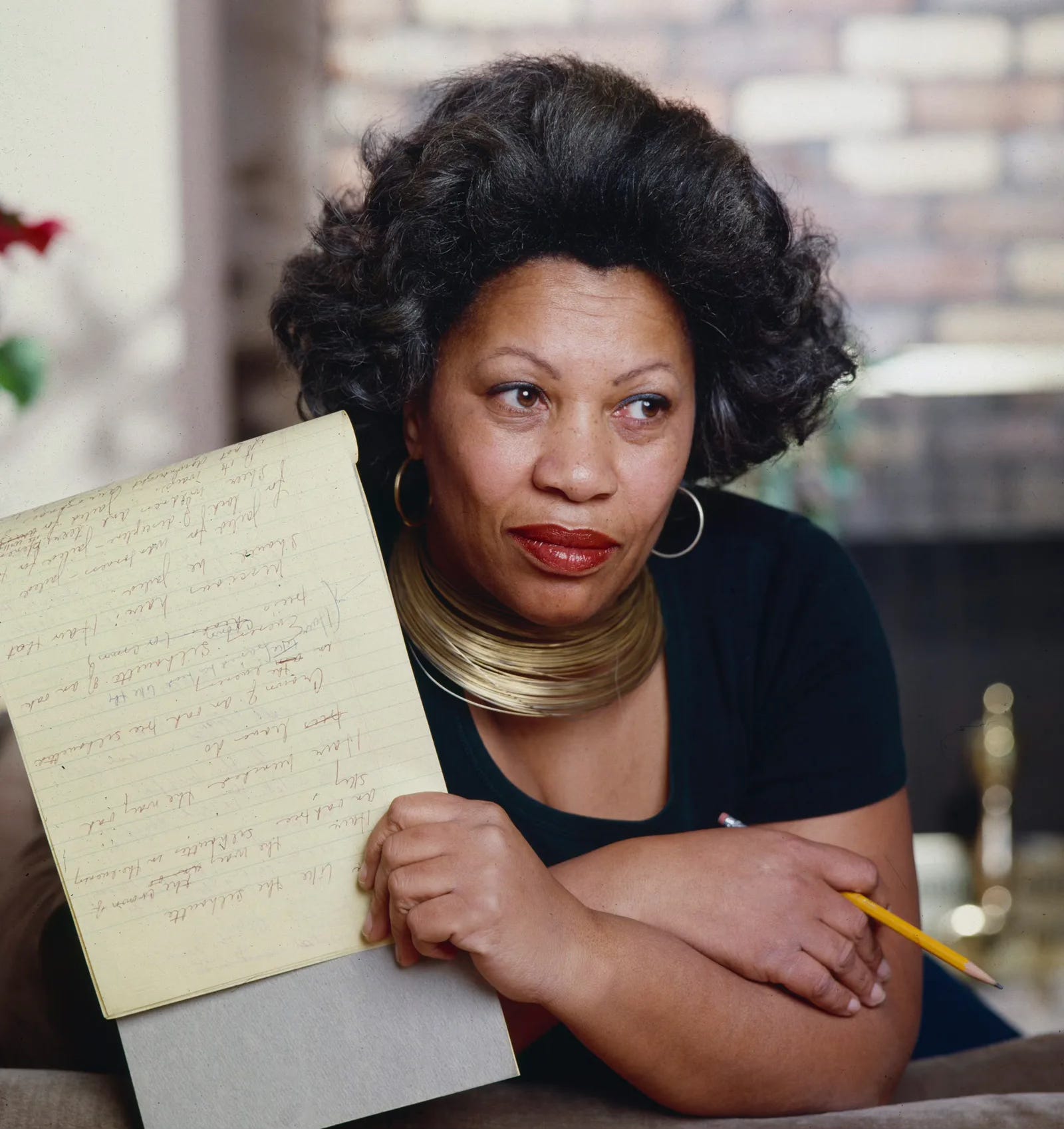
Favorite Quotes:
“If there’s a book that you want to read, but it hasn’t been written yet, then you must write it”
“If you are free, you need to free somebody else. If you have some power, then your job is to empower somebody else.”
Must Read from Toni Morrison
The Bluest Eye.
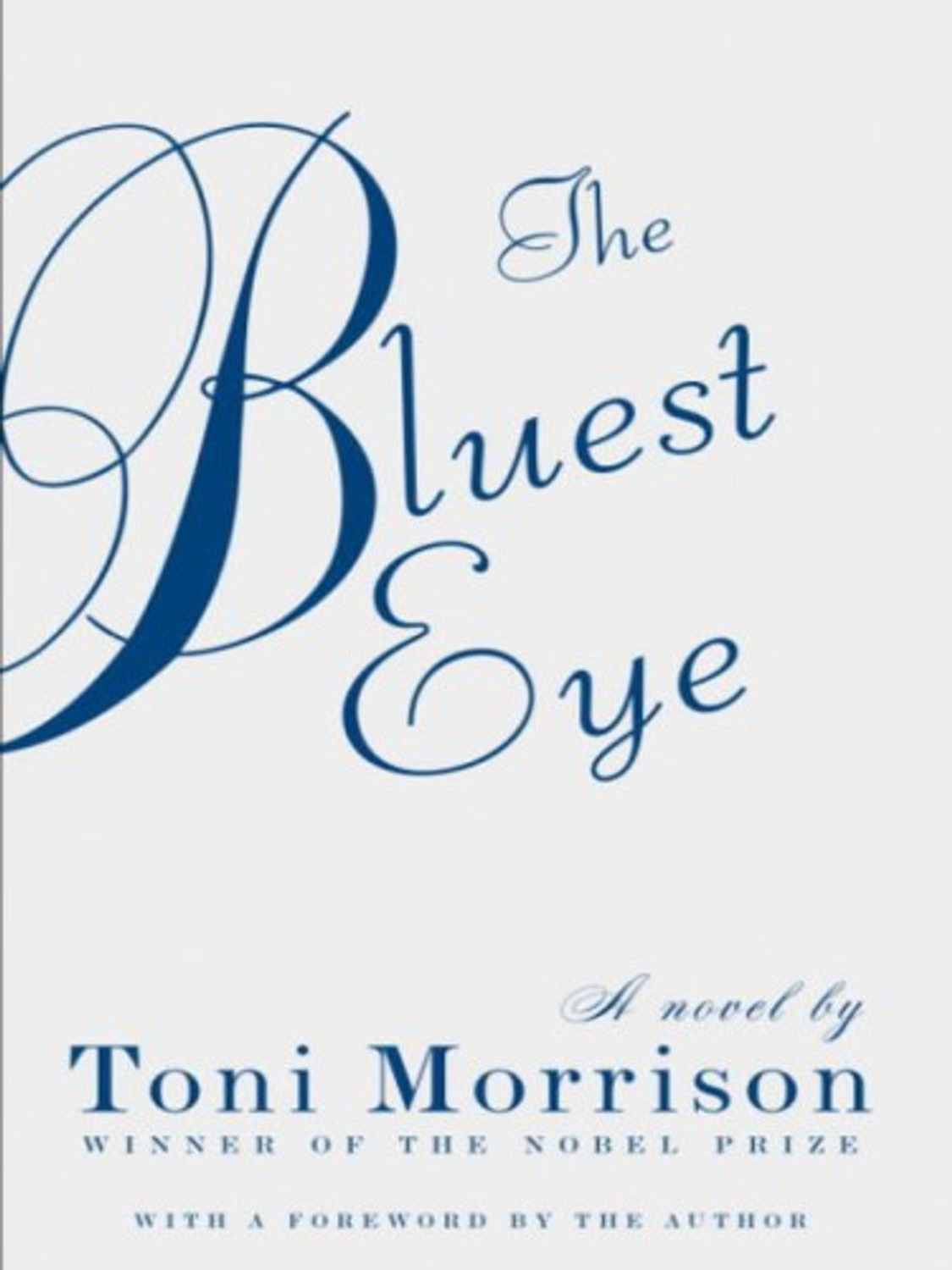
Chronicles the story of an 11 year old girl named Pecola Breedlove, and her tragic descent into madness. This book explores the themes of destructive white beauty standards, internalized self-hatred, racism and colorism, and the lasting impact of sexual abuse and poverty.
Beloved.
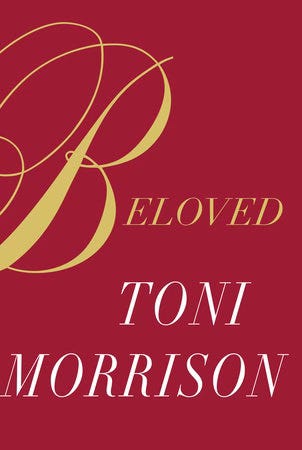
This Pulitzer Prize winning novel chronicles the story of Sethe, a formally enslaved woman in 1872 Ohio, living with the trauma of her past and the ghost of the daughter she killed to save her from the horrors of slavery.
Song of Solomon.
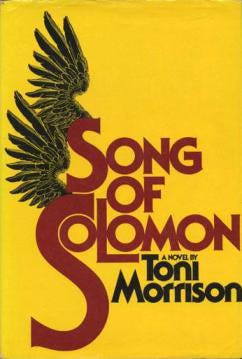
An intimate novel about identity, family, and the long road to knowing yourself. The story follows Milkman Dead as he moves through love, ego, friendship, and inherited trauma, slowly realizing how deeply his life is shaped by his ancestry. Morrison weaves together themes of Black masculinity, community, myth, and generational memory, asking what it really means to be free and what gets lost when you’re disconnected from your roots. It’s grounded, lyrical, and spiritual without trying too hard to be.
Sula.
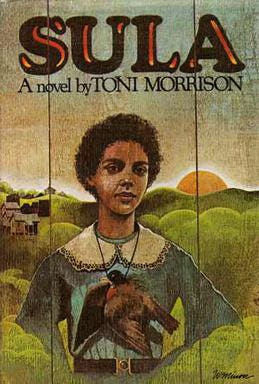
A slimmer novel compared to those listed above, Sula is a sharp, emotional look at friendship, womanhood, and what it means to live outside the rules. Centered on the complicated bond between Sula and Nel, the novel explores how society treats women who refuse to conform, and how love can exist alongside resentment, betrayal, and silence. Morrison digs into themes of morality, independence, community judgment, and loneliness, showing how one woman’s freedom can be seen as another person’s threat. It’s intimate, unsettling, and deeply human.
Octavia E. Butler
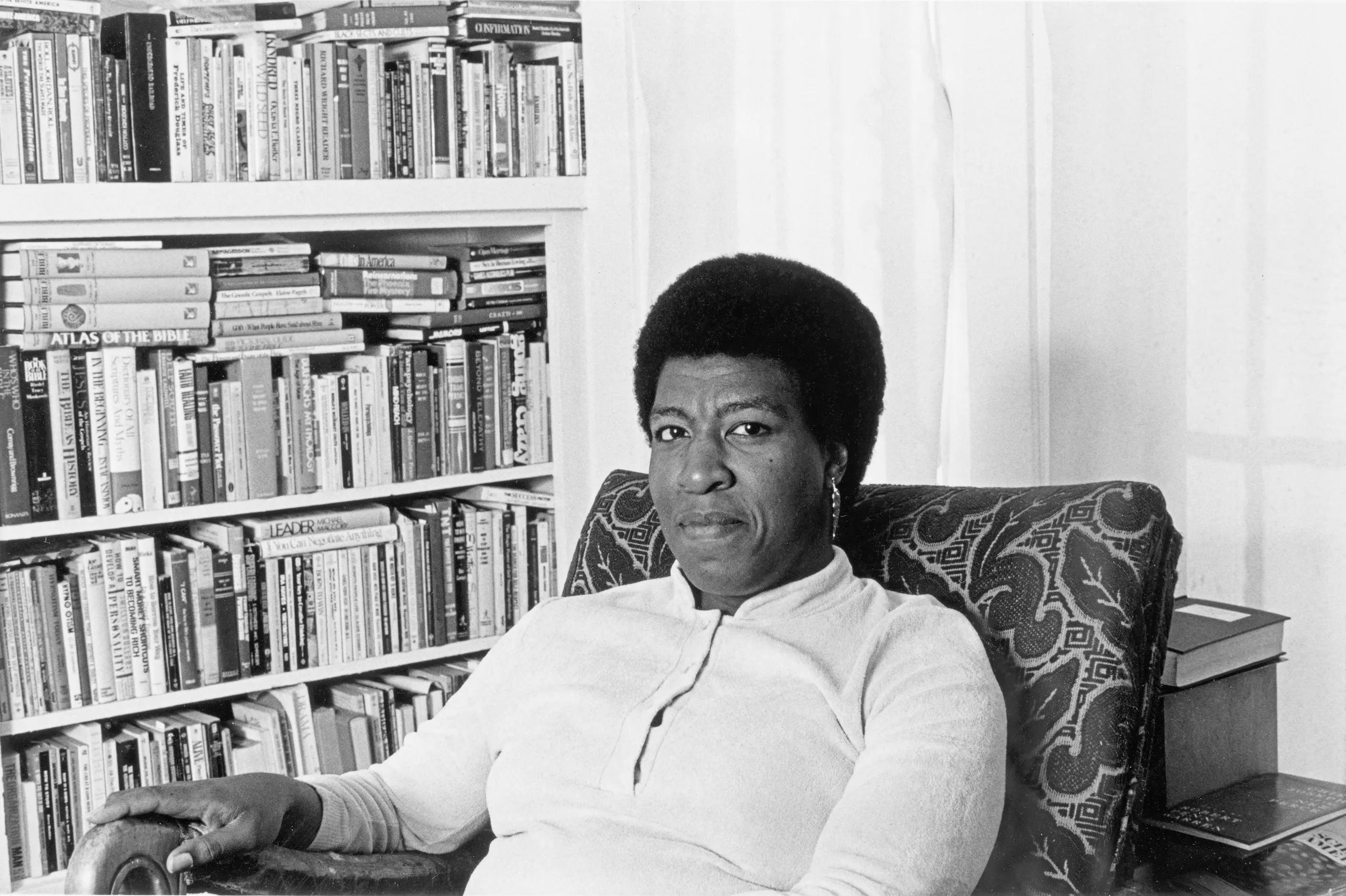
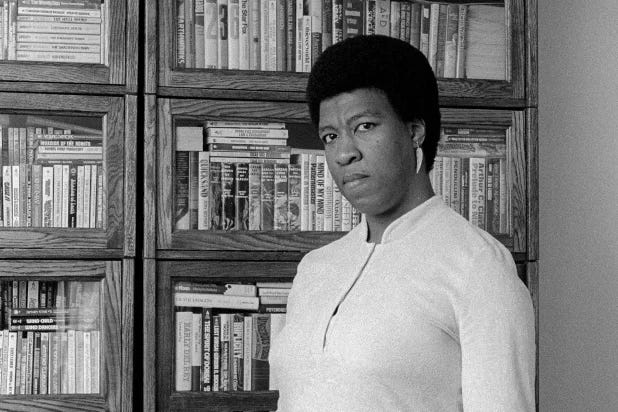
Born as an only child to her parents in California, her father would later pass when she was 7 years old, leaving her to be raised by her widowed mother and her grandmother in what she described in her own words as a ‘strict baptist environment’. A self described ‘paralyzingly shy’ child who was the victim of racism and bullying, she found a creative outlet in the library and through writing, in spite of her dyslexia. She began writing science fiction as a teenager, and in the 60’s would attend community college and writer workshops, leading her to be encouraged to join the science fiction centered Clarion Workshop, after which she began selling stories. By the late 1970’s, Octavia had become sufficiently successful enough to be able to write full-time. In 1995, she became the first science fiction writer to receive the MacArthur Fellowship Award. Octavia would also hold her own writing workshops while being vocal about her experience as an African-American woman, using such themes in her writing as well, themes such as climate collapse, political extremism, economic inequality and state violence. Octavia bodied a genre dominated by white men and largely seen as unserious.
Favorite Quotes:
“Embrace diversity. Or be destroyed.”
“All that you touch you change. All that you change, changes you. The only lasting truth is change.”
Must Read from Octavia E. Butler
Bloodchild
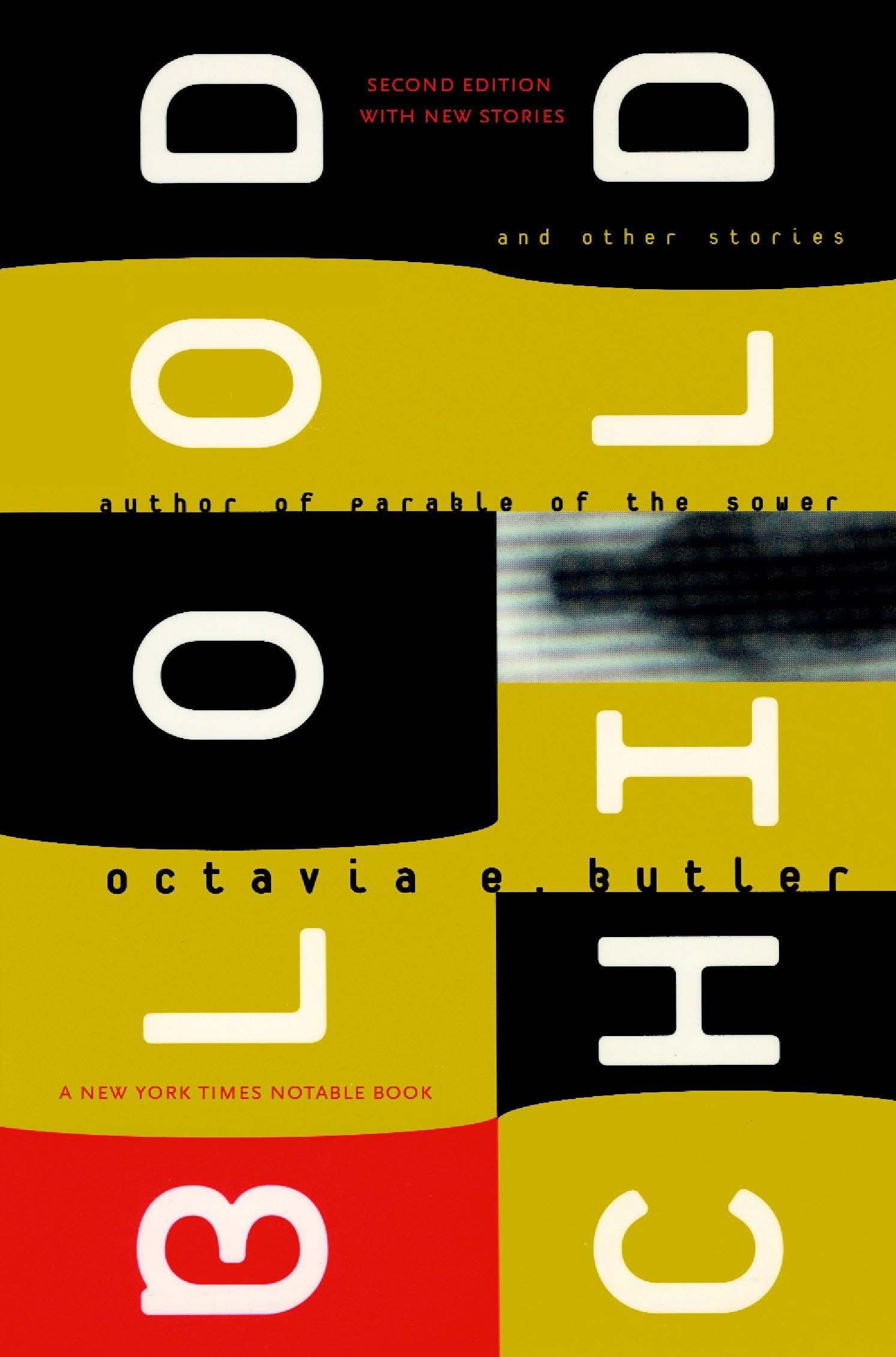
A great start for gaining more context behind Octavia’s writing style and what informs her writing. Blood Child is a short story collection that blends science fiction with horror, intimacy, and power. Butler uses alien worlds to talk very directly about consent, survival, gender, and control, often making the reader uncomfortable on purpose. Bloodchild asks what we owe each other, who gets to be protected, and what it means to live inside a system you didn’t choose.
Fledgling
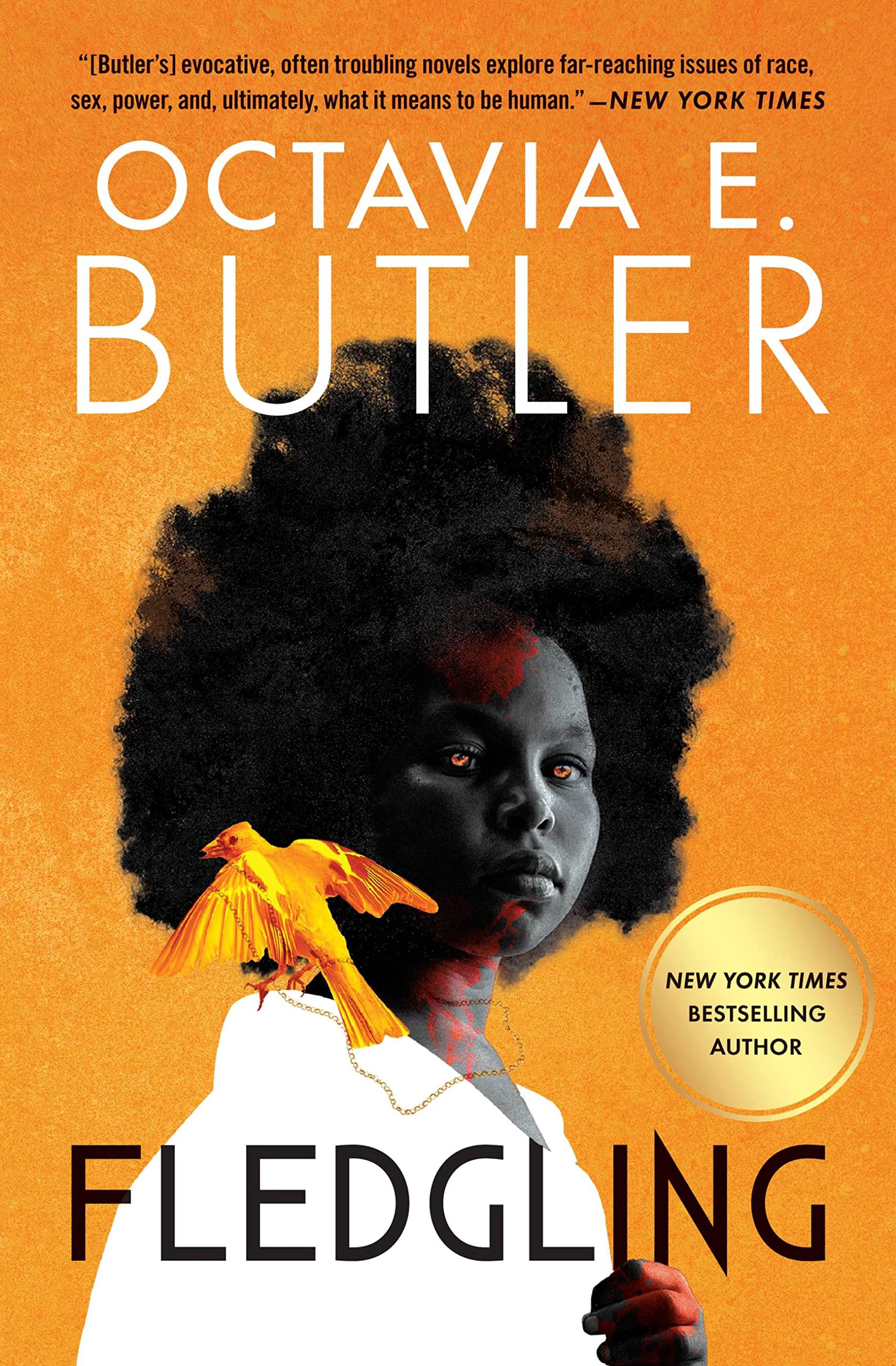
A reimagining of the vampire story that’s less about fear and more about power, dependency, and identity. The novel follows Shori, a young Black vampire who wakes up with no memory and has to piece together who she is while navigating a world built on hierarchy and exploitation. Butler explores themes of race, consent, family, and bodily autonomy, pushing the genre into something deeply political and unsettling.
Parable of the Sower / Parable of the Talents (The Parable Series)
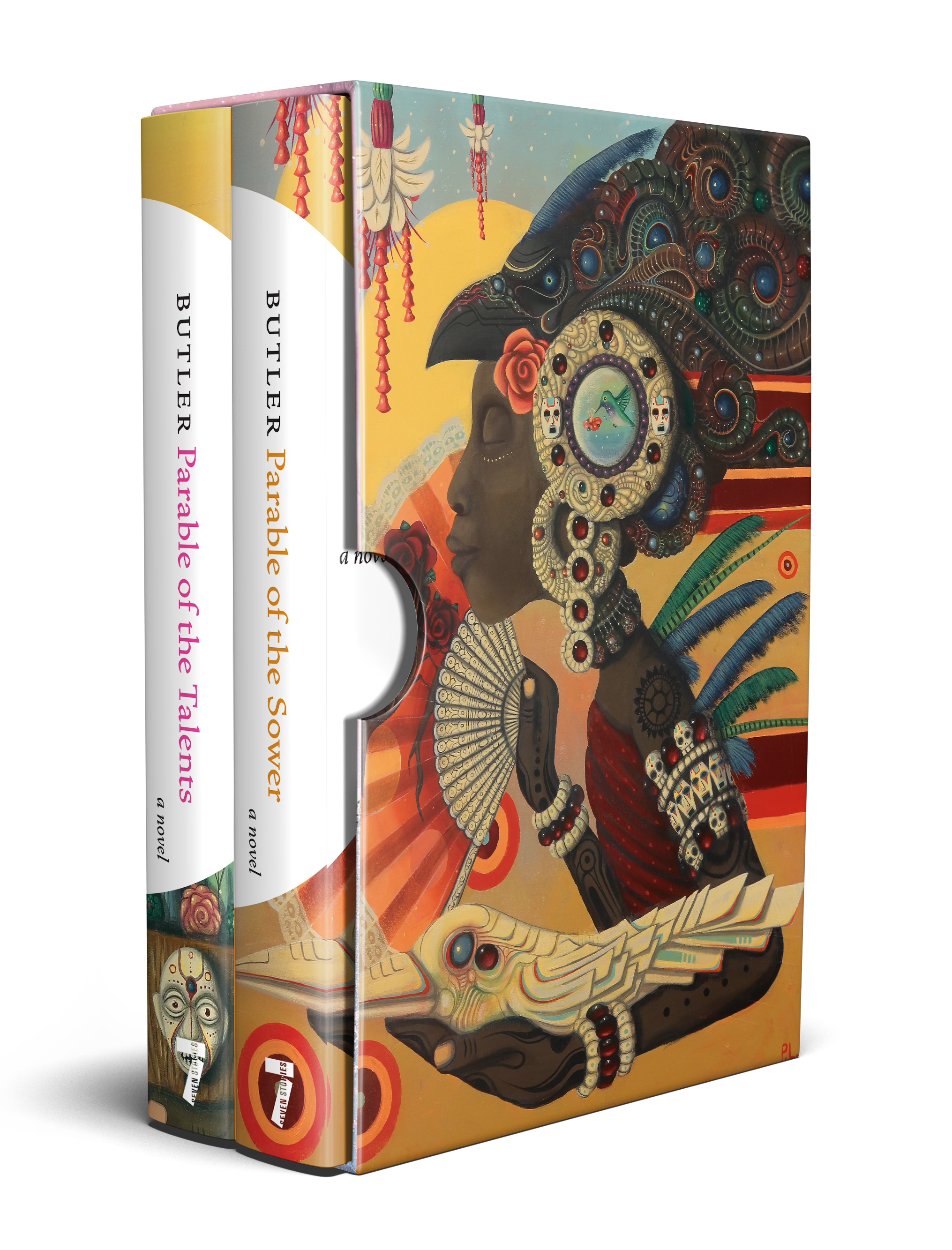
I have yet to finish this series but WOW. A near-future dystopian series that feels uncomfortably close to reality. Set in a collapsing America, the books follow Lauren Olamina as she creates a new belief system rooted in change, survival, and community. Butler explores themes of climate collapse, religion, race, power, and radical empathy, asking how people build meaning and hope when institutions fail. It’s speculative fiction that reads less like fantasy and more like a warning.
bell hooks
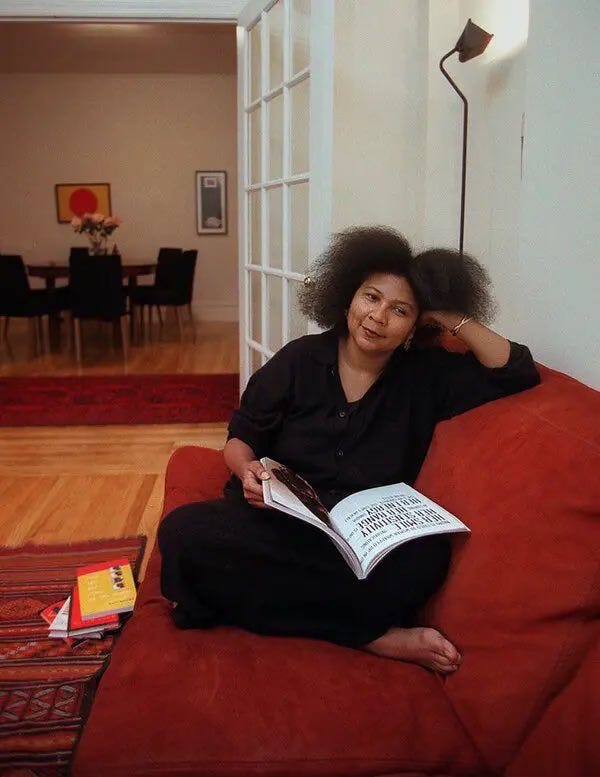
“My shaylaaaaa”. In this house, we worship bell hooks. Born Gloria Jean Watson on September 25th, 1952 in Hopkinsville, Kentucky. hooks grew up attending racially segregated schools and reading poetry to her church community. She would later on honor her grandmother, Bell Blair Hooks, with her chosen pen name, stylized in lowercase with the intention to put the emphasis on her work, not on her. hooks would go on to attend Stanford University on a scholarship and graduated in 1973. 3 years later she earned her Master’s in English literature from the University of Wisconsin, and with no signs of stopping, obtained her PhD from the University of California Santa Cruz after writing her dissertation on the works of Toni Morrison. In 1978, she released ‘And There We Wept’, a collection of poetry, followed by ‘aint I a woman: Black Women in Feminism’ in 1981.
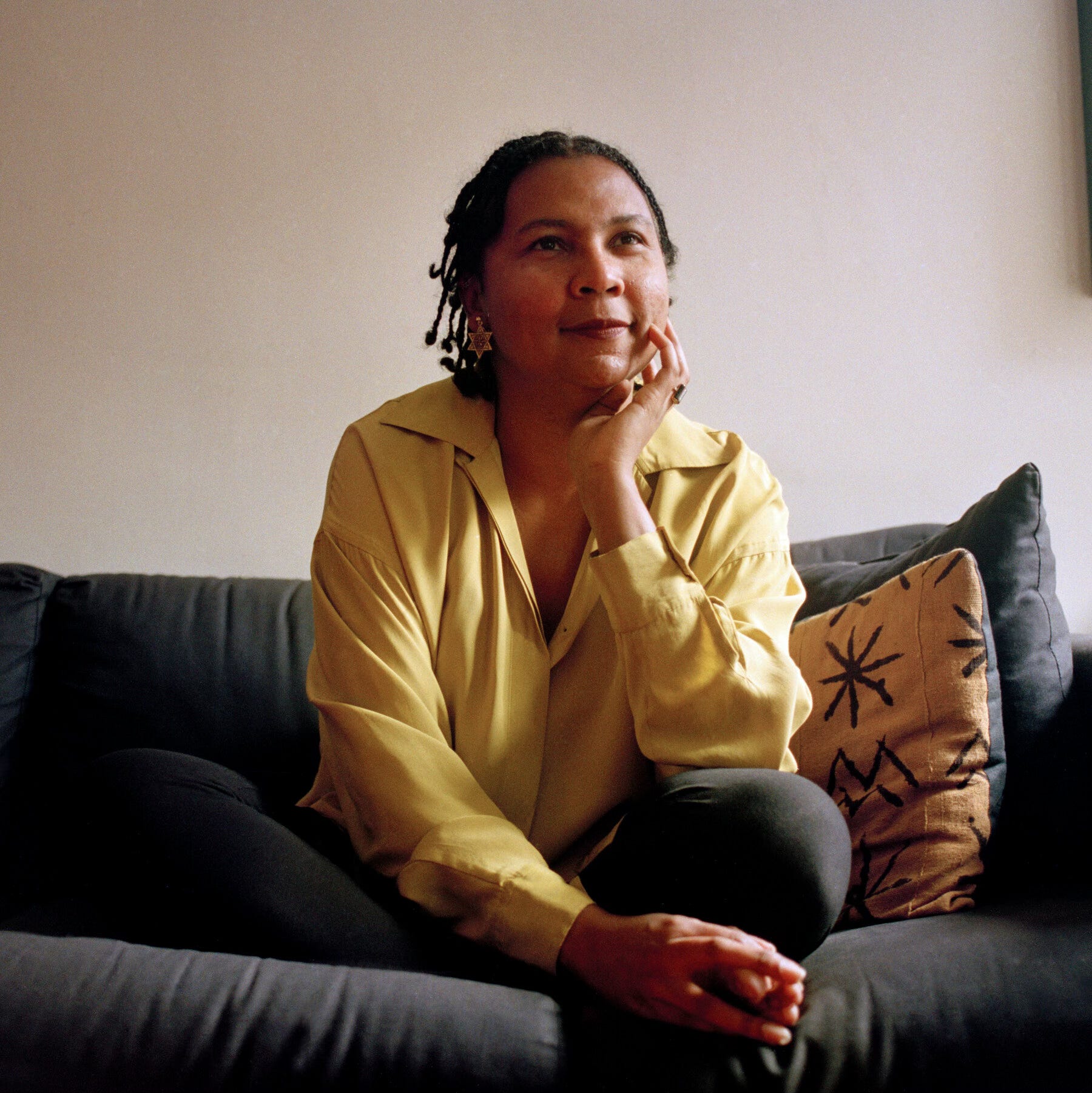
She would go on to teach African American studies at Yale and Oberlin College before also becoming the Distinguished Lecturer of English Literature at the City College in New York and the Distinguished Professor in residence in Appalachian Studies at Berea College on Kentucky while simultaneously becoming one of her generation’s most impactful intellectuals. hooks has published over 40 works that deal with topics ranging from racism and feminist consciousness to masculinity, the patriarchy, self help, engaged pedagogy, community creation, representation and politics. In 2013, Berea College opened the bell hooks Institute and then the bell hooks center in 2021. I have personally found hooks’ work to be most impactful, mainly how she centers her theories on intersectionality, arguing that systems of oppression like racism, sexism, and classism are interconnected and must be addressed together, not in isolation, to achieve true liberation.
Favorite Quotes:
“Knowing how to be solitary is central to the art of loving. When we can be alone, we can be with others without using them as a means of escape.”
“All too often women believe it is a sign of commitment, an expression of love, to endure unkindness or cruelty, to forgive and forget. In actuality, when we love rightly we know that the healthy, loving response to cruelty and abuse is putting ourselves out of harm’s way.”
“For me, forgiveness and compassion are always linked: how do we hold people accountable for wrongdoing and yet at the same time remain in touch with their humanity enough to believe in their capacity to be transformed?”
“If any female feels she need anything beyond herself to legitimate and validate her existence, she is already giving away her power to be self-defining, her agency.”
“Living simply makes loving simple.”
Must Read from bell hooks?
Ain’t I a Woman.
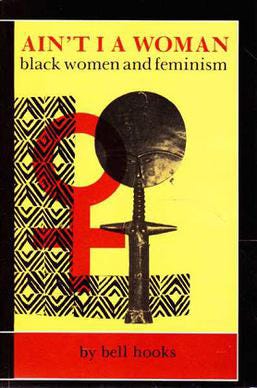
A foundational text that examines the ways Black women have been erased, exploited, and misunderstood within both feminist and civil rights movements. bell hooks traces the history of racism, sexism, and capitalism to show how Black women have been uniquely impacted, while challenging white feminism and patriarchal structures at the same time. It’s sharp, historical, and deeply political without losing its emotional weight.
Feminism Is for Everybody.
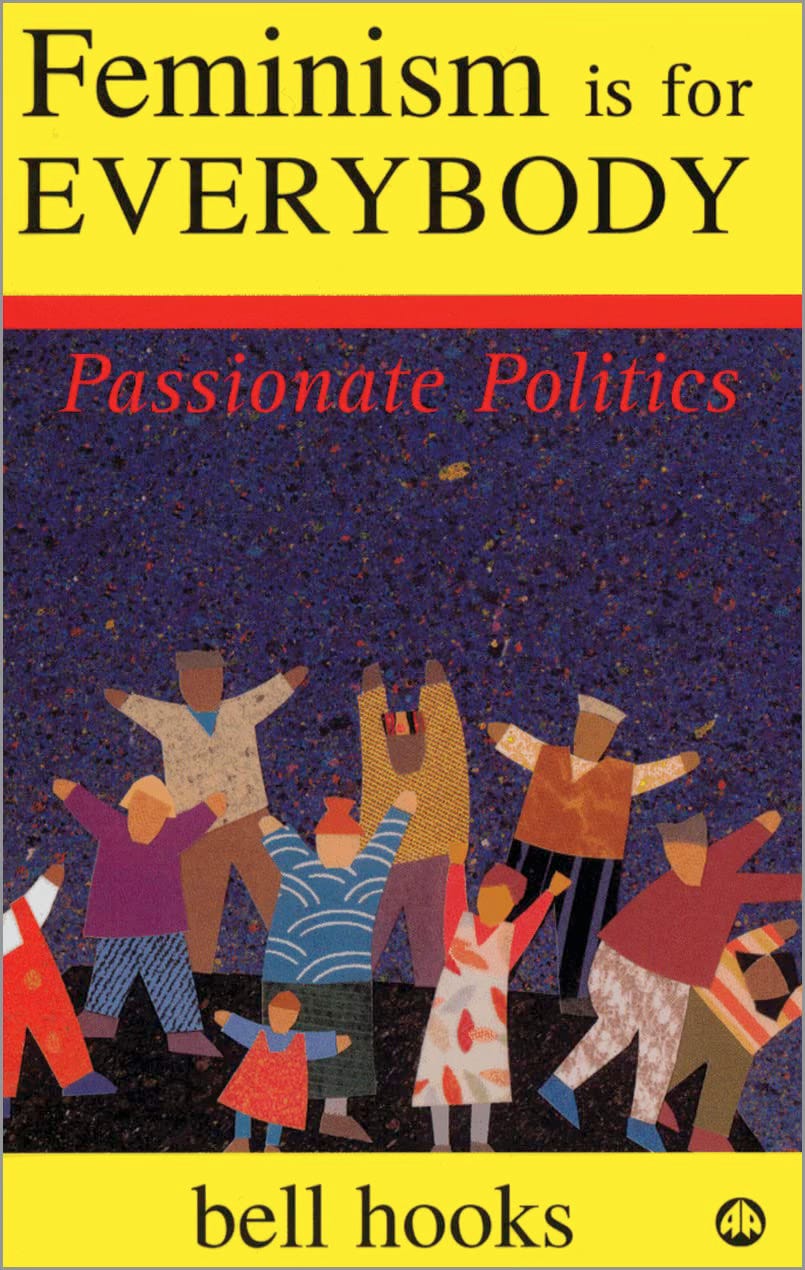
An accessible, straightforward introduction to feminist thought that centers inclusivity rather than gatekeeping. hooks breaks down feminism as a movement against sexism and domination—not men—and makes the case that liberation should be collective. The book touches on race, class, love, education, and media, offering feminism as a practical, everyday framework rather than an academic one. It’s clear, generous, and meant to be shared.
Maya Angelou
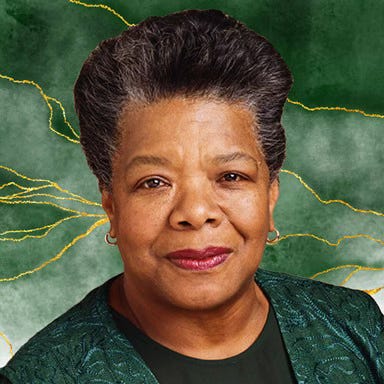
Maya Angelou is a living archive of survival, grace, and Black womanhood. Born Marguerite Annie Johnson on April 4th, 1928 in St. Louis, Missouri, Angelou’s early life was marked by trauma, displacement, and silence, she stopped speaking for years after experiencing sexual violence, believing her voice had the power to harm. It was during this period of quiet that she fell deeply into literature, memorizing poetry and developing the lyrical voice that would later define her work.
Angelou lived many lives before becoming a literary icon, she was a singer, dancer, actress, journalist, and civil rights activist. She worked alongside Malcolm X and Dr. Martin Luther King Jr., grounding her art firmly in political struggle and Black liberation. In 1969, she released “I Know Why the Caged Bird Sings”, a memoir that reshaped the genre by centering Black girlhood, trauma, resilience, and joy with radical honesty.
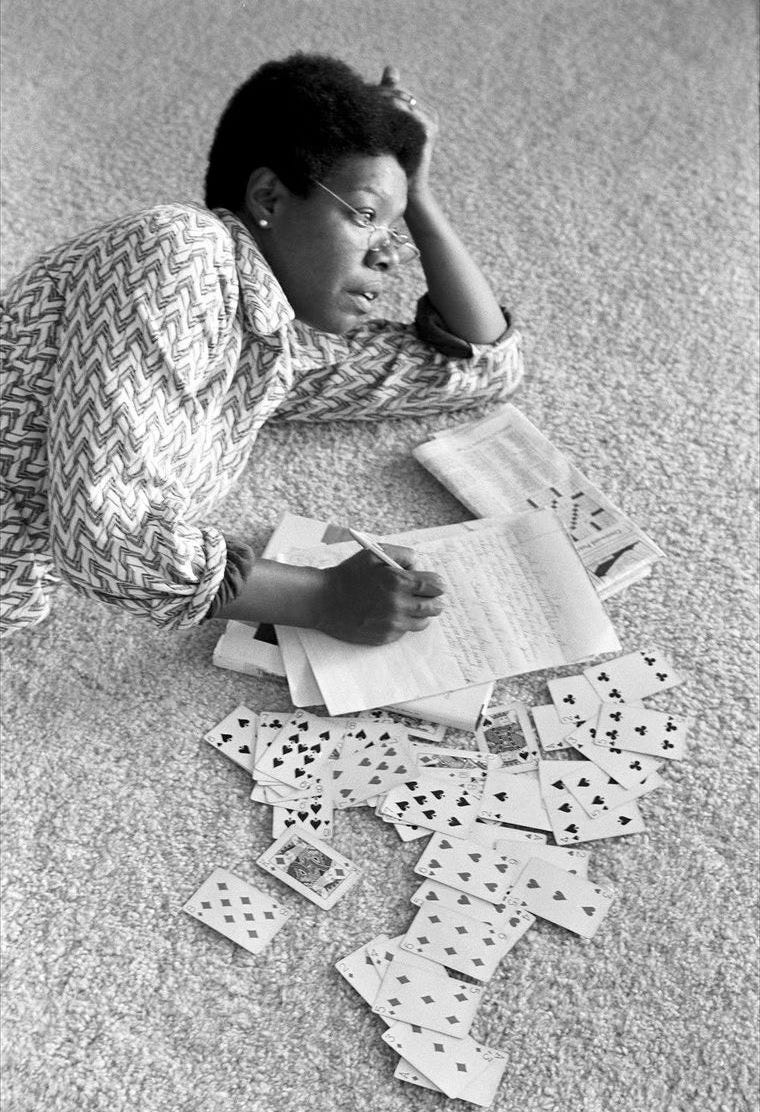
Across her essays, poetry, and autobiographical series, Angelou wrote about race, womanhood, love, dignity, and survival without ever flattening the complexity of Black life. Her work insists on softness without weakness and pride without denial of pain. Angelou reminds us that survival itself can be a form of resistance and that telling your story, especially when the world tries to silence you, is a political act.
Favorite Quotes:
“There is no greater agony than bearing an untold story inside you.”
“I’ve learned that people will forget what you said, people will forget what you did, but people will never forget how you made them feel.”
“When someone shows you who they are believe them the first time.”
“We delight in the beauty of the butterfly, but rarely admit the changes it has gone through to achieve that beauty.”
“Courage is the most important of all the virtues because without courage, you can’t practice any other virtue consistently.”
“I can be changed by what happens to me. But I refuse to be reduced by it.
Must Read from Maya Angelou
I Know Why the Caged Bird Sings
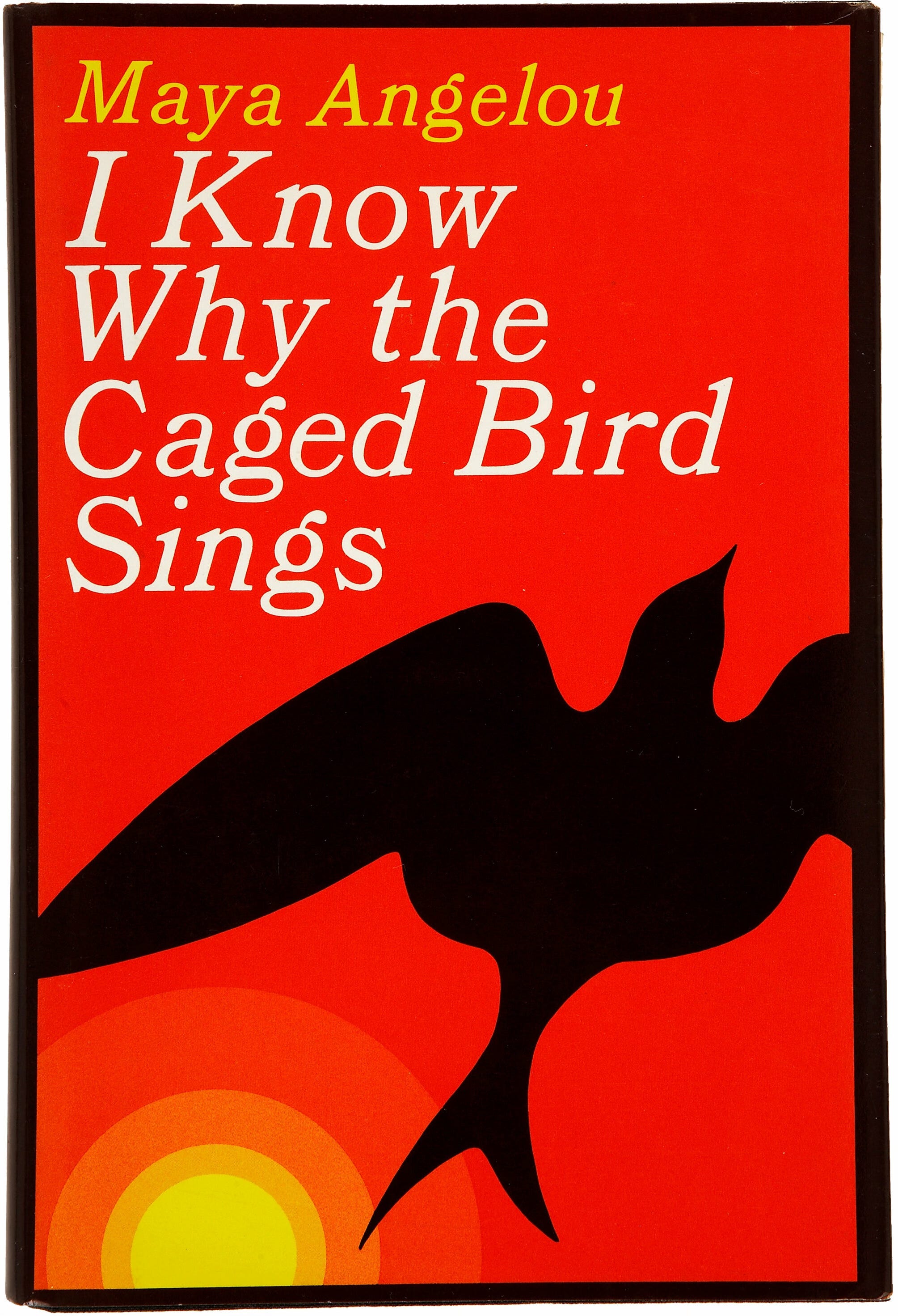
A groundbreaking memoir that redefined what it meant to tell the truth about Black girlhood. Maya Angelou recounts her early life with unflinching honesty, writing about trauma, racism, displacement, and silence alongside moments of tenderness and joy. The book centers voice, how it’s taken, how it’s reclaimed, and how survival itself becomes an act of resistance. It’s painful, lyrical, and deeply affirming.
Letter to My Daughter
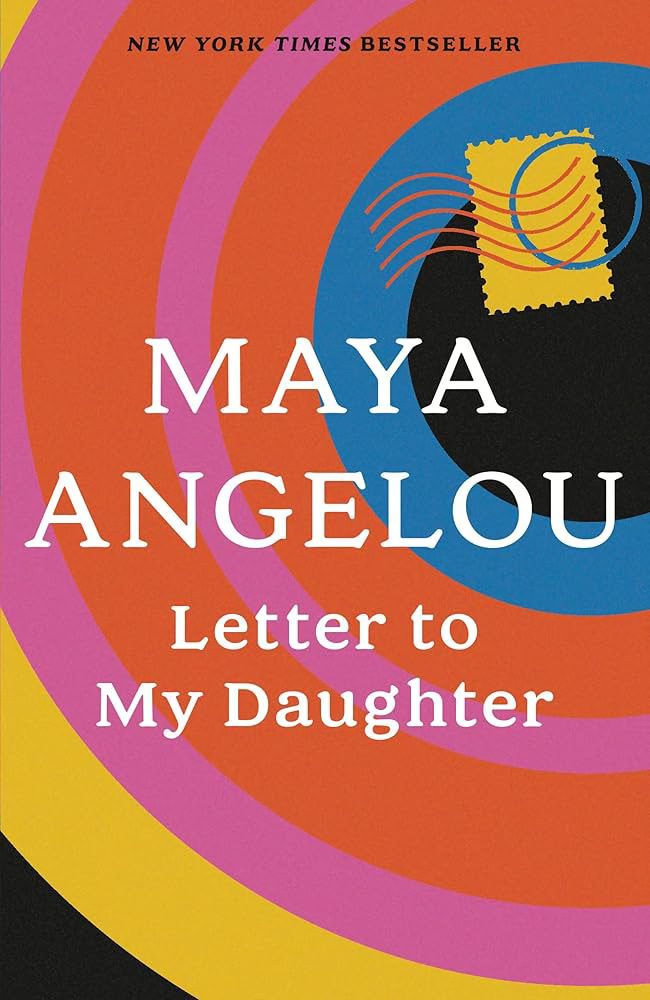
A collection of essays written to the daughters Angelou never had, and to anyone seeking guidance, reassurance, or belonging. Drawing from her own life, she reflects on love, loss, aging, race, womanhood, and resilience with wisdom that feels both personal and universal. The book reads like a conversation with an elder who wants you to live fully, bravely, and with intention.
All God’s Children Need Traveling Shoes
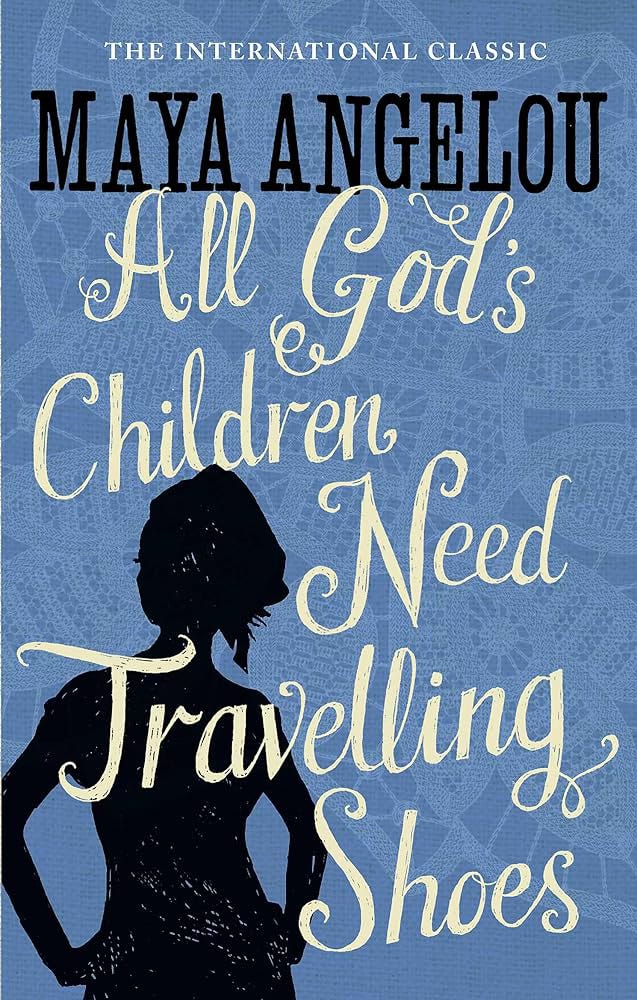
Part memoir, part spiritual homecoming, this book follows Angelou’s time living in Ghana during the 1960s as she searches for connection, belonging, and ancestral memory. She writes about the tension between romanticizing “return” and confronting the reality of displacement, identity, and cultural difference. The book explores what it means to be African American in Africa, and what it means to carry history in your body wherever you go.
Angela Davis
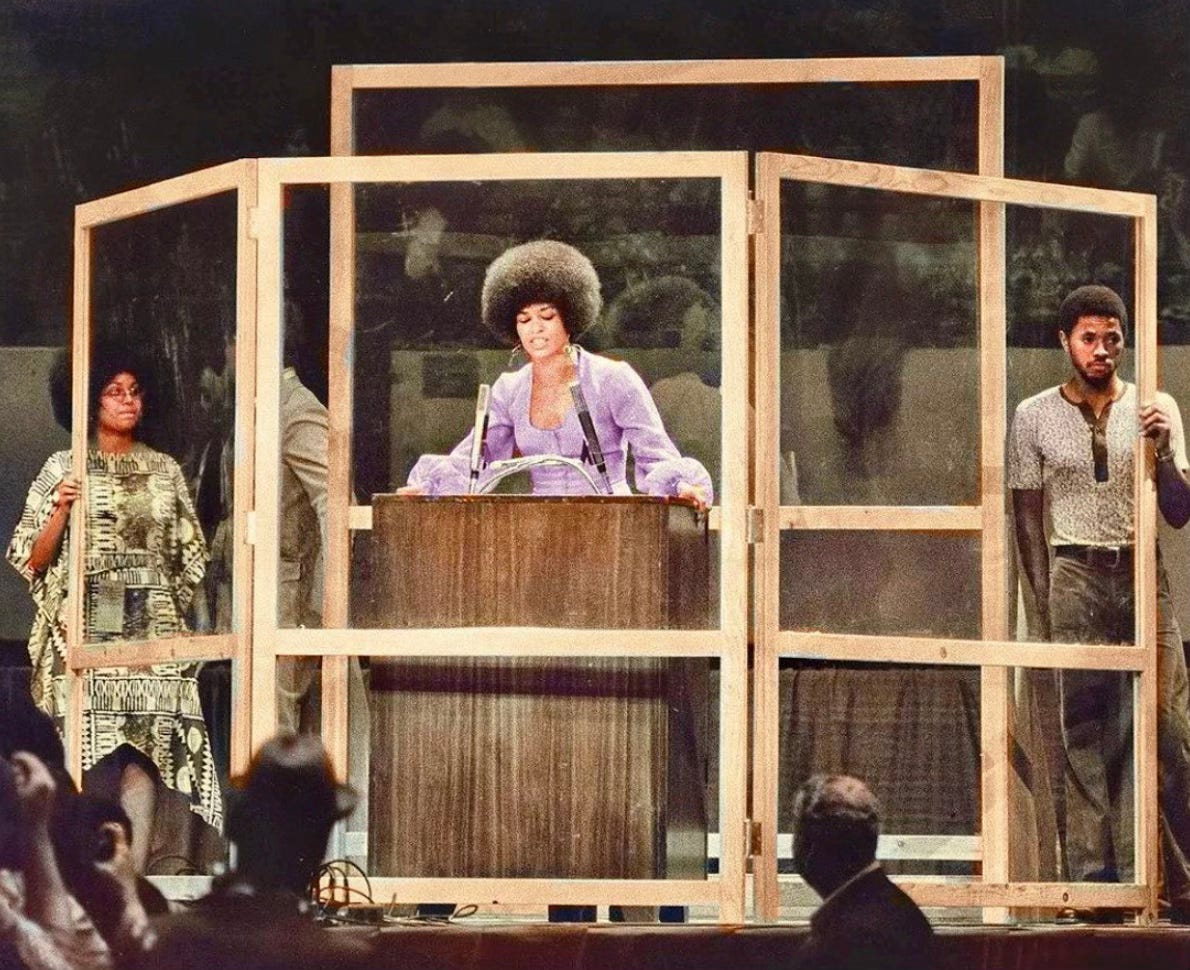
Angela Davis is theory, praxis, and resistance embodied. Born Angela Yvonne Davis on January 26th, 1944 in Birmingham, Alabama, during a time when the city was so violently segregated it was nicknamed “Bombingham”, Davis grew up surrounded by both racial terror and organized resistance. Her political consciousness was shaped early, watching her community fight white supremacy head on.
Davis went on to study philosophy, first at Brandeis University, then abroad in Paris and Frankfurt, where she studied under Herbert Marcuse. She later earned her PhD from the University of California, San Diego. A scholar, activist, and organizer, Davis became internationally known in the late 1960s and early 1970s after being targeted by the U.S. government for her political affiliations and activism, leading to her incarceration and eventual acquittal.
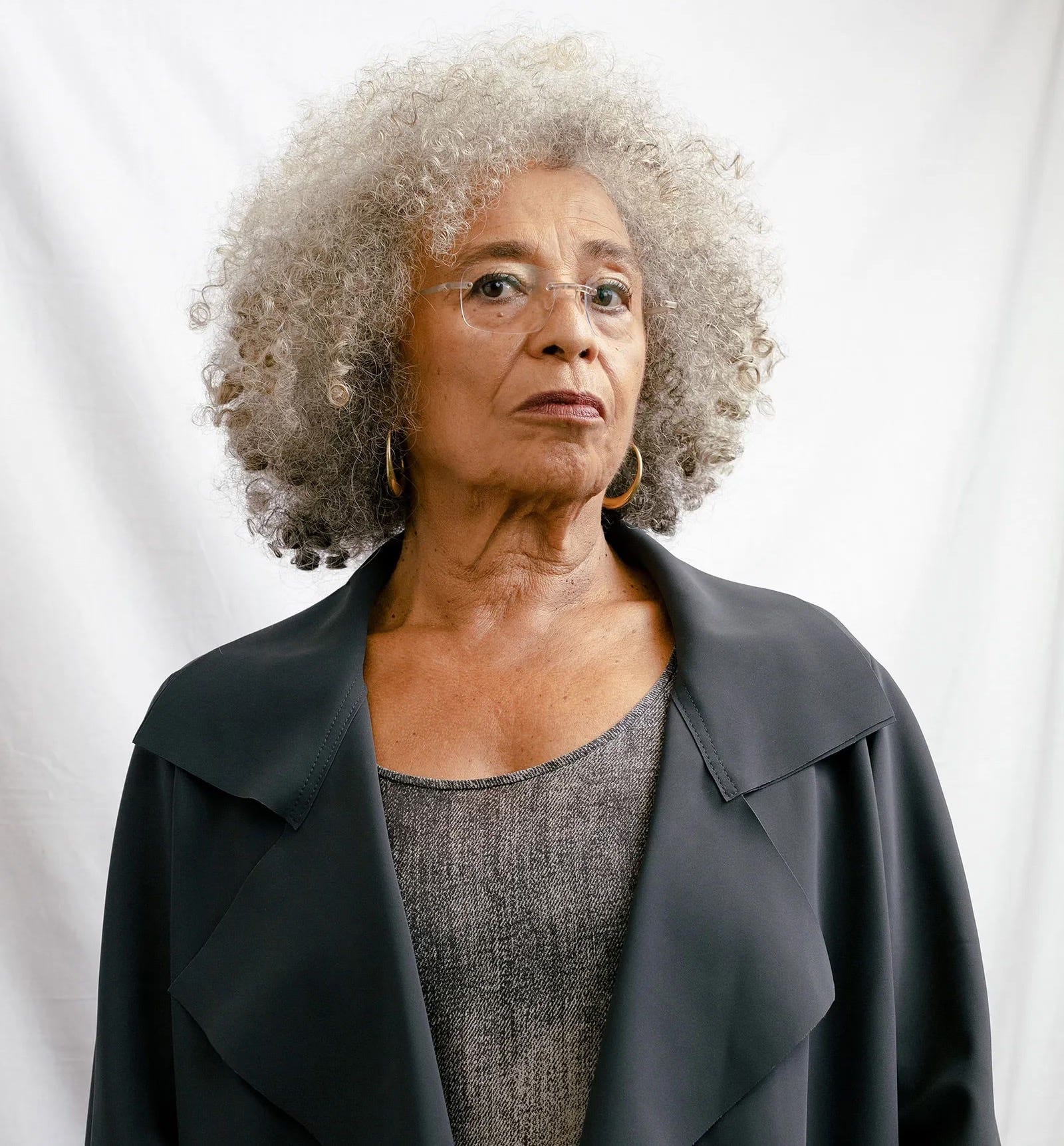
Davis’ work centers on prison abolition, Black liberation, feminism, anti-capitalism, and global solidarity. Books like “Women, Race & Class and Are Prisons Obsolete?” challenge the idea that punishment equals justice, pushing readers to imagine radically different futures. Angela Davis teaches us that freedom is collective, unfinished, and demands both study and action. She is not just a scholar of resistance, she is living proof that resistance works.
Favorite Quotes:
“I am no longer accepting the things I cannot change. I am changing the things I cannot accept.”
“You have to act as if it were possible to radically transform the world. And you have to do it all the time.”
“If they come for me in the morning, they will come for you in the night.”
Must Read from Angela Davis
Women, Race & Class
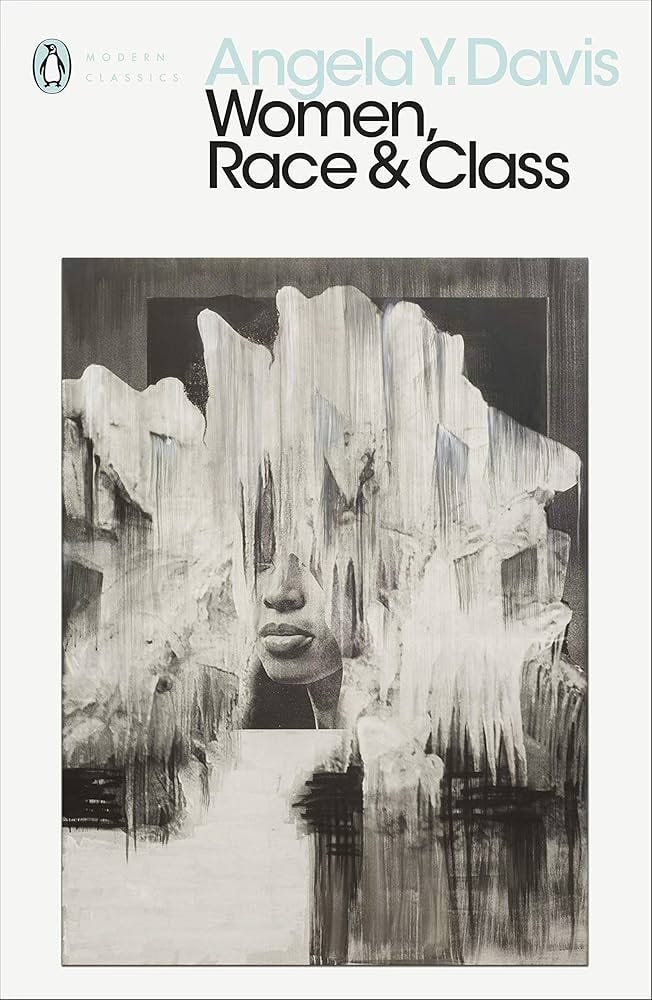
A foundational text that laid the groundwork for what we now understand as intersectionality before the language fully existed. Angela Davis examines how racism, sexism, and capitalism are deeply entangled, tracing their impact through slavery, labor, reproductive rights, and the feminist movement. The book challenges white, middle-class feminism and insists that any liberation politics that ignore race and class are incomplete. It’s historical, uncompromising, and still painfully relevant.
Freedom Is a Constant Struggle: Ferguson, Palestine, and the Foundations of a Movement
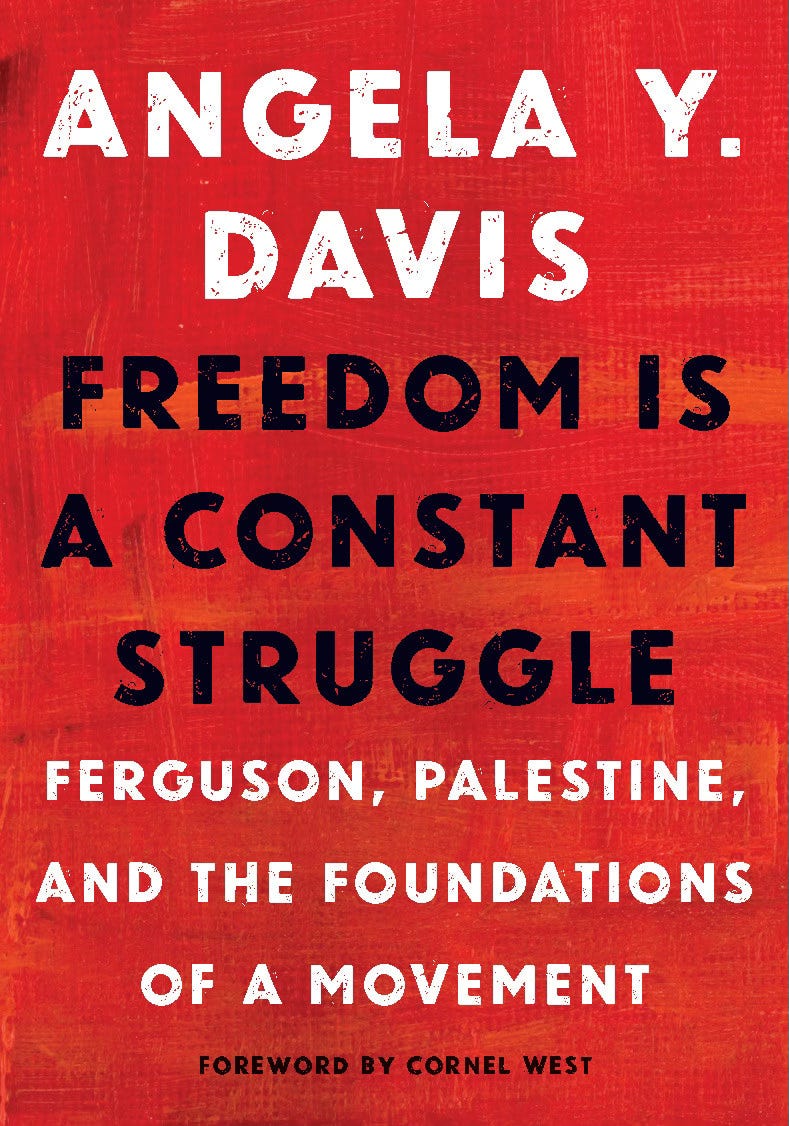
This is one that I have been devouring between the hustle and bustle of life. This book is a collection of essays and speeches that connect struggles across borders, time, and communities. Davis draws lines between Black liberation movements in the U.S. and global fights against state violence, colonialism, and surveillance, particularly in Palestine. The book centers solidarity as a practice, not a slogan, and reminds us that freedom is not a destination but an ongoing commitment. Urgent, expansive, and rooted in collective care.
Are Prisons Obsolete?
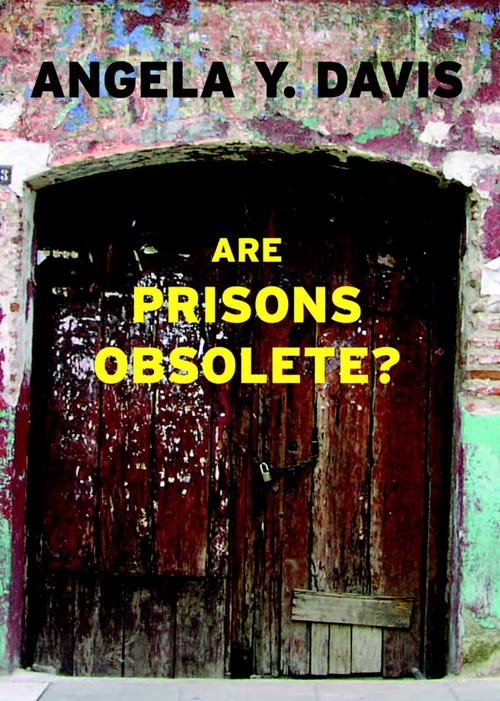
A radical yet accessible introduction to prison abolition that asks readers to imagine safety without cages. Davis interrogates the prison industrial complex, exposing how punishment has replaced justice and disproportionately targets Black, poor, and marginalized communities. Rather than offering simple answers, the book pushes readers to question why prisons feel inevitable and who benefits from that belief. It’s challenging, necessary, and deeply forward thinking.
Honorary Mentions
Zora Neale Hurston
A foundational voice of the Harlem Renaissance who refused to write Black life through a white gaze. Hurston centered Black Southern dialect, folklore, spirituality, and interiority at a time when it was considered risky to do so. Works like “Their Eyes Were Watching God” remain radical in how they honor Black womanhood, desire, and selfhood. She wrote Black people as whole, complicated, and worthy of joy.
Audre Lorde
Poet, essayist, theorist, and truth-teller. Audre Lorde gave us language for survival. Her work confronts racism, sexism, homophobia, capitalism, and silence, insisting that difference is not something to be erased but a source of power. Books like “Sister Outsider and The Cancer Journals” blend the personal and political, reminding us that self-care, naming oppression, and speaking truth are all acts of resistance.
Alexandre Dumas
A literary giant whose Blackness is too often erased from the canon. Born to a formerly enslaved Haitian woman and a French general, Dumas became one of the most widely read authors in history. “The Three Musketeers and The Count of Monte Cristo” shaped adventure storytelling as we know it, blending justice, betrayal, and revenge. His work and legacy challenge the narrow way we’re taught to imagine “classic” literature.
Jaylen Christie
A writer and creator redefining what Black heroism looks like on the page. Through his Black comic superheroes, Christie builds worlds where Black characters are centered, complex, imaginative, and powerful without being reduced to trauma. His comic “Stink Bomb Man and the Brain Kids, Vol. 1 “introduces young readers to heroes who lead with intelligence, curiosity, and community, blending humor, STEM, and representation in a way that feels both intentional and joyful. Christie’s work expands what’s possible in comics and speculative storytelling, offering younger audiences mirrors they rarely get to see. His interview with Kailon Magazine highlights not just his creativity, but his commitment to imagining Black futures where joy, brilliance, and belonging are non-negotiable.
N.E. Davenport
An emerging voice in fantasy who brings emotional depth and political awareness to the genre. Davenport writes expansive worlds while keeping race, power, and identity at the center of the story, proving that fantasy doesn’t have to escape reality to be meaningful. Her work signals a shift in speculative fiction, one where Black women are not only present, but world-builders shaping the genre’s future.
Continuing the Work
Black History Month should never be about surface level recognition or momentary visibility. It is about lineage, responsibility, and continuation. The writers highlighted here did not just document history, they challenged power, expanded language, and made space for futures that had not yet been imagined.
While Kailon Magazine is still young, our mission is rooted in the same commitment these writers embodied, to decenter the white default, uplift marginalized voices, and tell stories that are honest, complex, and unapologetically human.
We see our work not as separate from this legacy, but in conversation with it. Kailon remains open to collaboration, dialogue, and submissions from writers, artists, and thinkers who are equally invested in truth-telling, cultural preservation, and radical imagination. Black history is not confined to the past, it is living, evolving, and being written every day. Our responsibility is to listen, to amplify, and to keep the work moving forward.