


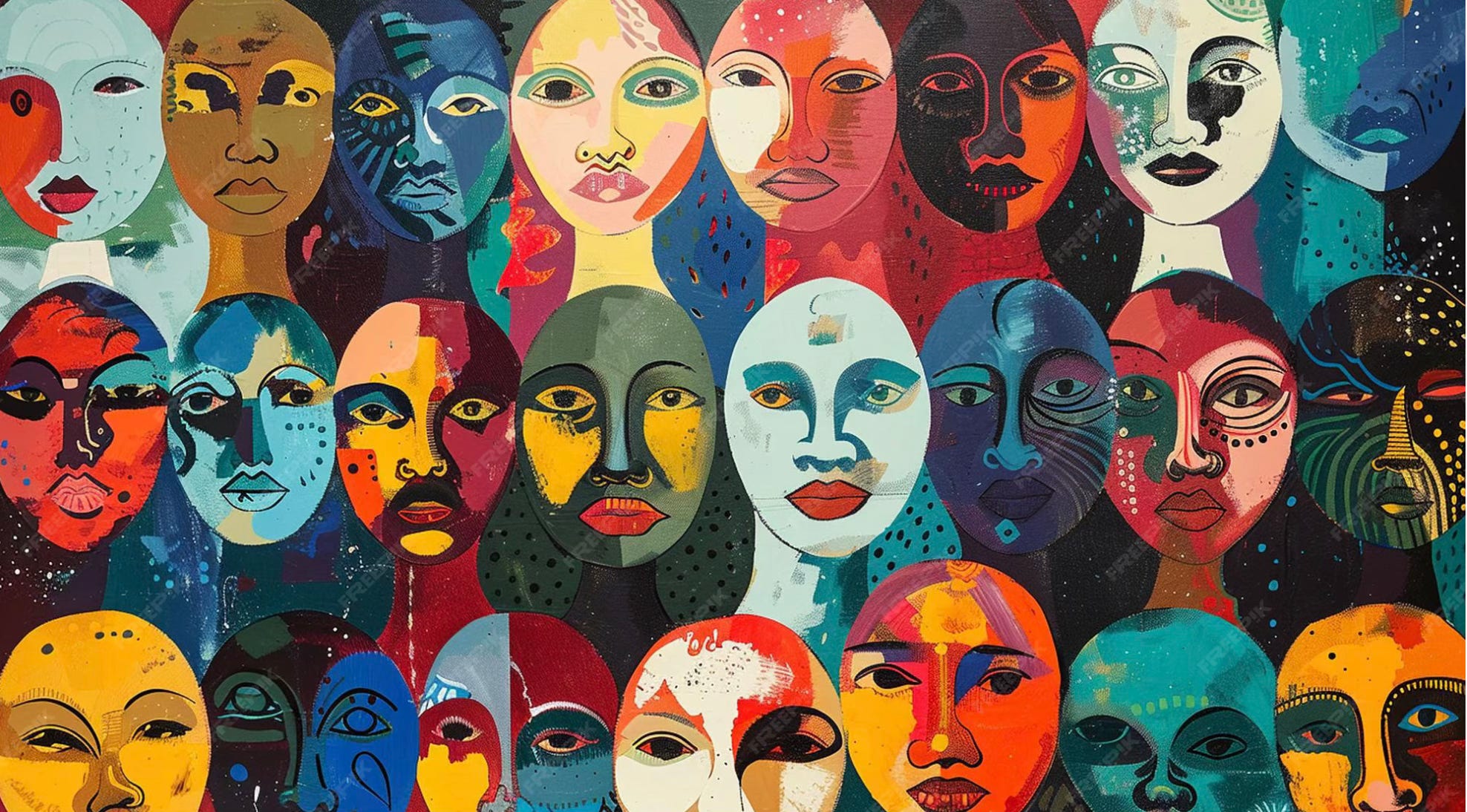
There is a version of Latina womanhood that so many people think they know. The girl with a sharp tongue. The ‘feisty’ one. The one whose anger is sexy, whose boundaries are a turn on, whose pain is dismissed as entertainment.
Growing up in an immigrant Afro-Cuban household, English was forbidden, and my emotions, even more so. It was not until I was diagnosed with CPTSD and OCD as an adult that I even began to understand myself. I didn’t know that anxiety, anger, and reactive behavior could be symptoms of trauma—I thought they were character flaws. I thought I was the problem.
Trauma has lineage. Trauma has biology. Studies of Holocaust survivors show epigenetic changes passed on to their children, particularly in genes related to stress responses, such as FKBP5, which is linked to PTSD and depression. Trauma rewrites our stress systems. It literally alters our DNA.
So, when people ask why immigrant communities carry so much anxiety, rage, fear, and hypervigilance, I wonder how they don’t see the obvious.
And within every collective trauma carried in this world, the women and the children always carry the heaviest bags.
The Sexualization Starts When We’re Still Children
I think the earliest I can remember adults commenting on my body was at eight years old.
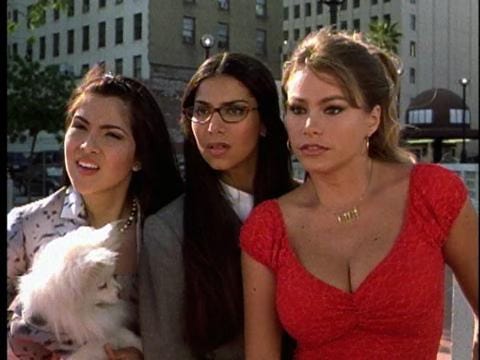
Then, being sized for cheerleading uniforms, my backside compared to J.Lo and Selena by other moms. I tried to hide, embarrassed, but my abuela smiled cheerfully, chipping in that I “have her genes”. She was a Caribbean Carnaval float queen as a teenager, and loved to tell everyone how the town was “mesmerized by her tiny waist”. An entire town, admiring the body of a child…not quite a brag, to me.
While I experienced society’s sexualization painfully enough, my more melanated cousins and friends have endured it at a far more violent intensity.
This is something we don’t talk about enough: young Black and Latina girls are treated like adults before they are.
This is not imagination, this is very real and very well-documented. Research from Georgetown’s infamous “Girlhood Interrupted” study found that adults see Black girls as needing less protection, nurturing, support, and comfort than white girls, starting between ages five and nine. That means starting in kindergarten. As I write this, my own child is 3, and my heart aches.
While Hispanic girls are sexualized, objectified, and adultified, Black girls are similarly criminalized and eroticized for the same behaviors and emotions.
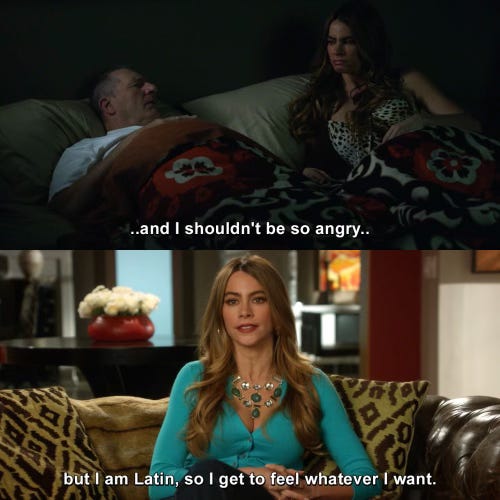
The “Fast Girl” and the “Angry Woman”
The term “fast” has deep roots in the “Jezebel” stereotype used during slavery to portray Black women as hypersexual and animalistic—justifying rape, forced reproduction, and erasing their right to be victims. It constructed them as “un-rapeable,” and that stain has not washed off, nor can you hang a painting over to hide it.
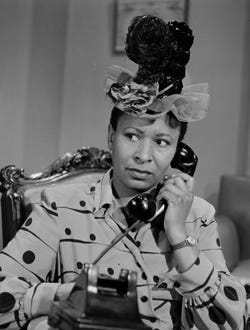
One of the most devastating consequences today is that when Black girls experience harassment or sexual abuse, adults dismiss them as “knowing better” or “acting grown”, as if that makes them complicit. This results in these girls not receiving help, not being believed, and not being protected.
This isn’t just misogyny.
It is racialized misogyny. And Black girls pay the highest price.
Latinidad Is Not A Free Pass to Ignorance
I will never pretend that Latina/Hispanic women do not suffer. We do.
We are oversexualized, infantilized, and simultaneously expected to be a mother to everyone around us.
Women hear men joke about dating “crazy Latinas”. See them provoking reactions just to label us “fiery”. Eroticizing the “toxic Latina” stereotype like it’s their kink, rather than a violently overly-normalized form of gaslighting.
But, when Black women defend themselves? Oh no, now she’s an Angry Black Woman. “Too loud. Too much.”
A trope that was created through—and facilitated by—white supremacy, and then polished by media portrayals, is still destroying careers, mental health, and safety to this day.
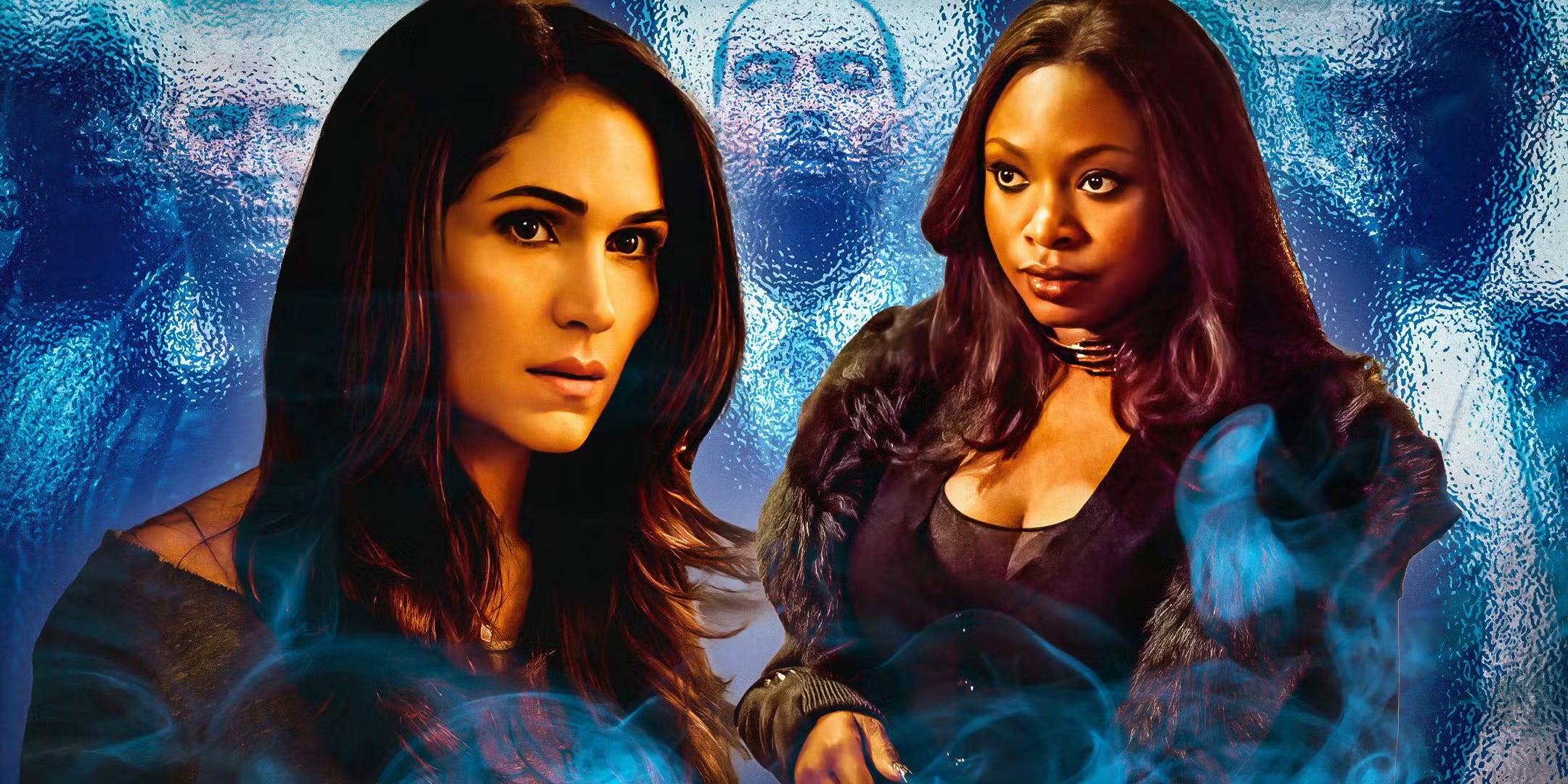
A strong example of this in modern media is the hit TV show, ‘Power’, with characters Angela and Tasha played by Lela Loren and Naturi Naughton. Tasha, although portrayed to be a beautiful, talented and supportive wife who has been the rock to her husband and their family, her feelings and justified anger are often diminished as her husband, the lead character ‘Ghost’, embarks on an affair with Angela, a childhood flame. Angela’s latinidad is hyper sexualized often, and the difference between both women is highlighted throughout the series as the writers really leaned into this trope.
The difference is clear and it is this: Latina anger is fetishized. Black women’s anger is criminalized.
Our humanity distorted, theirs erased.
The “Personal” Isn’t Separate from the “Political”
I have learned that if I code-switch, blend in, dress in my most expensive clothes with my hair done, and most importantly, if I keep my mouth shut: I can be white-passing. While that does not change my DNA, my ancestry, or the trauma I inherited, it does change my proximity to safety. However, when someone learns I am Latina: the tone shifts, the comments sharpen, the fetishizing begins.
Yet, the fact that I can pass, that I can move through certain spaces without immediate suspicion, means I will never carry nor experience what Black women carry and experience. And I absolutely feel that it is my responsibility to highlight this disparity.
Anger Is Not the Enemy, Dehumanization Is
I spent years thinking I was “crazy” or “broken,” when in reality I was coping with trauma that my community was never allowed—and still is not allowed—to define.
When we are denied humanity, we are denied healing.
Black women have been denied humanity longer and more violently than any other group of women in the West.
That is a fact. That has to be said without defensiveness or dilution, especially by people who look like me.
Our anger is human. Their anger is human.
But humanity is not distributed evenly in this country.
What I Want is Simple
I want us, as Latinas, to understand that when we speak about our pain, we don’t have to minimize or erase theirs. Our struggles are similar, not identical, but absolutely similar enough to warrant more understanding and community. We must advocate for each other.
I want little Hispanic girls to grow up safe from sexualization, adultification, and exploitation.
I want little Black girls to be allowed a full childhood, with the protection, tenderness, and innocence that all children deserve.
We all deserve healing.
But first, we need to be seen as human.
Links & Resources
Study finds epigenetic changes in children of Holocaust survivors
The rs1360780 Variant of FKBP5: Genetic Variation, Epigenetic Regulation, and Behavioral Phenotypes
Being Raised by a Torture Victim: How Trauma Can Impact Future Generations
Fast Tailed Girls: An Inquiry into Black Girlhood, Black Womanhood, and the Politics of Sexuality
Epistemic Adultification: Clarifying the Pernicious Work of Black Girls as “Prematurely Knowing”