


I remember the countless drives in my mum’s car between the ages of newborn and about nine. I can’t remember the make of the car; maybe it was a Peugeot or something else family friendly. This was the early 2000’s, so there was no built in bluetooth or aux cord, no streaming services. Mum had about four or five CD’s from her personal collection stuffed in the glove compartment and side pockets, rotated out every now and then for different ones. But I distinctly remember Demon Days by Gorillaz and In Silico by Pendulum being permanent residents of the tinny CD sound system - two of my favourite albums to this day, ironically. I get in my own car now, connect to bluetooth, and skip through about fifteen songs in a five minute drive, barely hearing what I’m listening to.
I have never owned a Kindle. That’s a lie - I had one when I was about thirteen, for a year or so. I’m not sure what happened to it, and I have no judgement towards the people that do own kindles - they’re convenient, genius little devices. But I’ve been reading since I’ve been big enough to hold a book in my own two hands. Most of the books I’ve read past the age of 15 I still own - all crammed onto a bookcase in my room, that’s double-rowed now and expanded across to a new set of shelves on my wall to accommodate. Most of them have my own annotations in the margins, shared with a best friend in our teen years, are dog eared, or gifted by a loved one. Anything I try to read through a screen - my brain logs out.
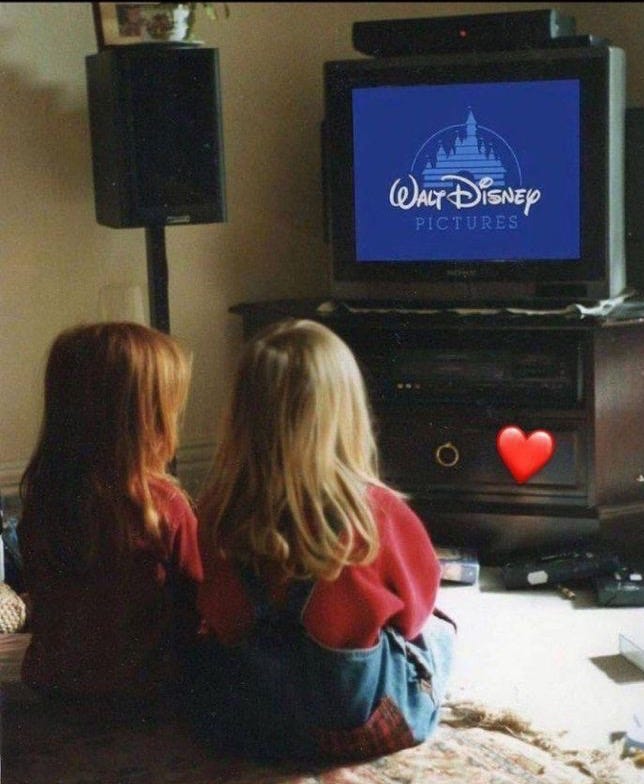
The other night, my boyfriend and I settled in to watch one of the Star Wars films - Episode II, part of our rewatch marathon. Except, we spent the first hour of our cosy night-in flicking through various websites trying to find the film in the first place. Neither of us have DisneyPlus, and we weren’t about to pay for a film we knew we should be able to find somewhere. It resulted in using a dodgy pirate website (to any police reading this, this story is purely for educational purposes) that buffered every five minutes and made the already kind of trashy experience of watching any of the prequel Star Wars films even less enjoyable. The frustration we both felt at this fruitless battle to find the film anywhere online for free felt silly, because at one point in our lives, we both owned the entirety of Star Wars on DVD! Vowing to begin rebuilding a DVD collection together of at least all the ‘big saga’ box sets, I was sent back to a memory of being a kid, at our family friend’s house, on the nights we stayed over and got to pick out a film to watch. Being literally floored at the choices - back then, it felt like they had an entire Criterion Closet’s worth of films to choose from, all stacked in neat rows in a big wooden chest. It was like having your own at-home cinema. Without the subscription fee.
Don’t get me wrong, the digitisation of hobbies and art and pastimes has made life more convenient for most, more streamlined, and that’s a good thing! Rather than having to lug around books, knitting needles, tangled wire headphones and a walkman - everything you could possibly need to keep you entertained during the morning commute is on your phone! But convenience isn’t the point of art, or of hobbies - it’s there to stimulate, to engage us, to provide a little slice of peace in our otherwise hectic and mundane lives. And I think a lot of this sudden boom in “bringing back analogue” comes from just that - people want an escape. Now, more than ever, with all of the horrible, horrible things happening all over the world. People want to go back to a time when things were, or seemed, simpler - their childhoods. I’m talking primarily about Gen Z and millennials - because we were hit the hardest when it came to the digital age. It boomed when we were still so young, most of us tweens, and therefore, we became shaped by social media, the iPhone, streaming services. And now that we’re a little older, we’re realising, much like our parents - “hey, life felt so much more simple when I didn’t have the technology available to read about every single uprising and every single victim of Trump’s America at first thing in the morning”.
The medium of analogue brings us closer to the art - if you’re listening to an album via CD or vinyl, you can’t really pick and choose which parts of the record to listen to. You just listen to the whole thing, more as an experience than anything. Modern ‘record bars’ are a testament to this - bringing the old into the new, the new generation of adults choosing to spend evenings cosied away in low-lit corners with wine, hand-picked tunes from the bar owners collection, loved ones. By choosing to hold the art physically in your hands, you are connecting with it on a much deeper level, rather than just having the option to click off of it and view the next piece of art in an endless chasm of creation and one-upping on social media. The same goes for hobbies too - you’ll find your mind much more at peace doing colouring in an actual book designed for that exact purpose, rather than an app that only lets you colour in once every three ads with notifications still pinging at the top of your screen to distract you.
Screens are killing our capability to connect with the art we’re consuming on a regular basis - because that’s what music, novels, podcasts are: art. For me, anytime I try reading something longer than a few sentences through a screen, my brain starts to tune out. It reminds me of schoolwork - staring at pages of text on a laptop for hours, only absorbing half of it. Give me a book on the other hand, and I’m drinking the words like wine - savouring them, devouring them, note taking and underlining prose I find particularly delightful, dog-earing the pages. It’s love in its purest form. Screens detach us from that output of love.
I adore the takeover of analogue that seems particularly prevalent in this new year, however, there’s a slightly darker side to it. “Analogue 2026” was a term I first saw, and then one that came up repeatedly, on TikTok. If anything, all I’ve seen recently are videos of people showcasing to the internet how “analogue” and “slow” their lives are, ironic considering these videos are then shared by millions and viewed over and over, edited and curated specifically for that exact purpose - to go viral. A small part of me worries that a lot of the people spending money on physical copies of books they’ve already read on a Kindle, vinyls of albums they only know one song off of, a whole basket of knitting equipment that will get used once - are only doing it just to be a part of this week’s microtrend. And companies are catching on too - Shein and Temu and the like are turning out mountains of cheap plastic to accommodate this new lifestyle everyone’s adopting, desperate not to get left behind in the dust. Fake, wind-up watches that are purely for accessory over function, CD players that barely work, ordinary tote bags being rebranded as “analogue bags”, for “storing all of your hobbies in!” Firesticks; little devices plugged into your TV, only for any show or movie you want to watch to be turned off after half an hour due to endless glitching. It’s all merchandising, all just an excuse to make more money, and more poor quality waste material that will end up in landfill by the time the year is out. It’s a full circle moment from when everyone in the early to mid 2000s threw out their hoards of CDs and book collections and DVDs in favour of Spotify and Netflix and Amazon. Convenience, unfortunately, will always, always win out over authenticity.
I asked my parents for their thoughts on all this - both in their late fifties / early sixties, the digital age didn’t transform them as much as it did the younger generations, their two daughters. They still have mostly the same books on their bookcase they’ve always had. An updated sound system, complete with a CD player, most of their CDs handed down to me to fill my growing collection. A record player and its treasure trove collection of vinyls, my dad’s prized possession. They both said they love the physicality of using it; the crackle of the needle, the audible production of the record underneath the song. It’s also a talking point amongst their friends - every party they host, they all end up gathered around the record player, voicing their favourites, eager requests for classics they all know and love. The only “analogue” thing I’d say no longer really exists in our house anymore is DVDs - victims again of the streaming conglomerates, the few DVDs I personally own fit in one drawer of my dressing table.
On the other hand, they of course appreciate the convenience of the digital age when it comes to consumable media. My dad’s music collection has only gotten bigger through Apple Music, and he loves the idea of apps like Audible - still getting to read, even when you don’t have the time to sit down and do it the traditional way. My mum has cautiously expanded her taste in TV - Netflix has given her the opportunity to watch hit shows like Stranger Things over the Christmas holidays, catching up on it with her two children before the final season ended. That’s a show she never would’ve even considered watching before streaming, let alone pay for.
Overall, it’s harmless, this trend of reverting from digital back to analogue. It’s a quiet rebellion against the growing digital takeover, the people in power condoning it, a direct rejection of a more convenient but less stimulating and less healthy lifestyle. I’m all for physical copies of art and media we all adore, of engaging with that art and with our interests in a way that doesn’t feel disconnected by a screen. Reduce your screen time, get outside, read and learn and appreciate all the same things that shaped you as a child. But if all this uprising is to most people is a trend, just another excuse to buy and consume and talk about - I fear we, as a people, may be more of a lost cause than we thought. And in years to come, the 90s revival CD players will be filling up landfill all over again.
Edited by Natalli Newman
