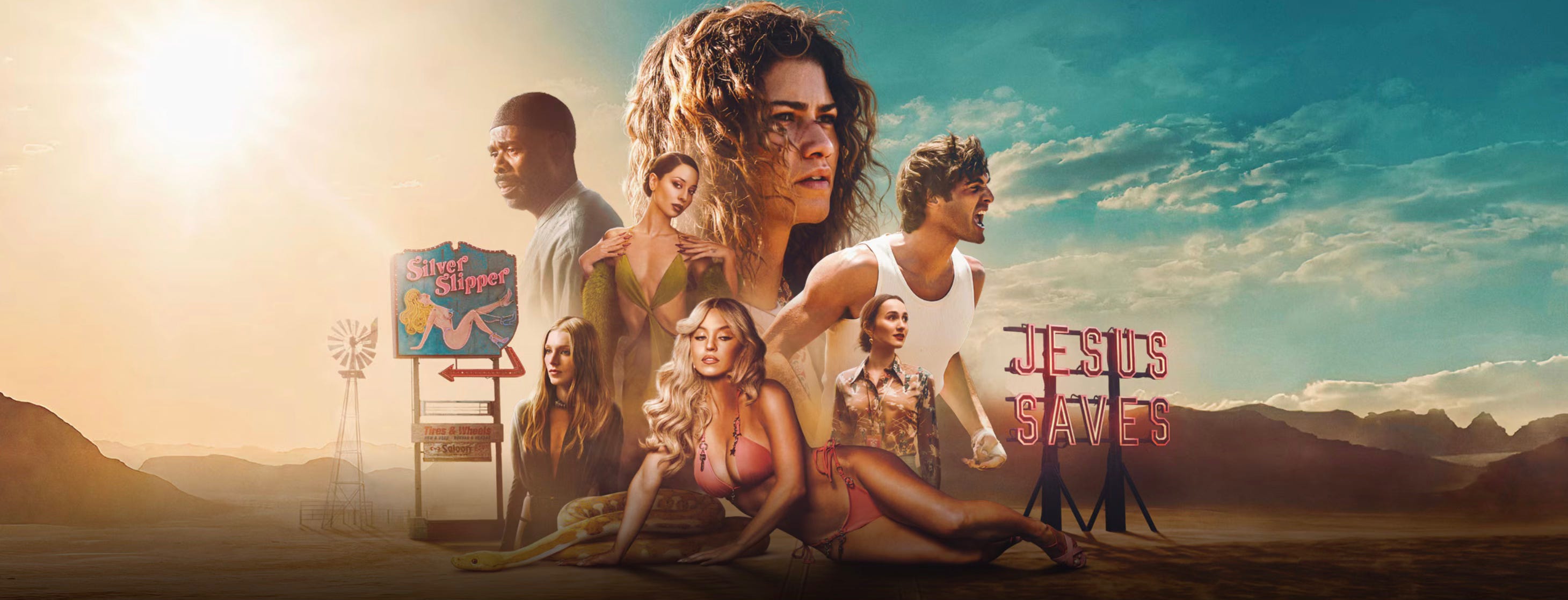


Now that enough time has passed where I feel that everyone has watched the last season of Euphoria, I feel free to discuss my grievances. I had quite the busy schedule while the episodes rolled out that I kept forgetting and missing Sundays and having to force myself to take time to sit and catch up as I did not want to encounter too many spoilers online as the netizens are quick with it nowadays. I honestly was hate-watching for the sake of it—I love the cast, for the most part, and my brain needed the completion. I have strongly come to dislike Sam Levinson’s writing, as should those that claim to pertain to the intellectual masses. I was also disheartened at the loss of Labrinth’s musical score as it undoubtedly made the show and added to its emotional core, and even gave us Zendaya’s voice again, a door she admitted she was “afraid to open again”.
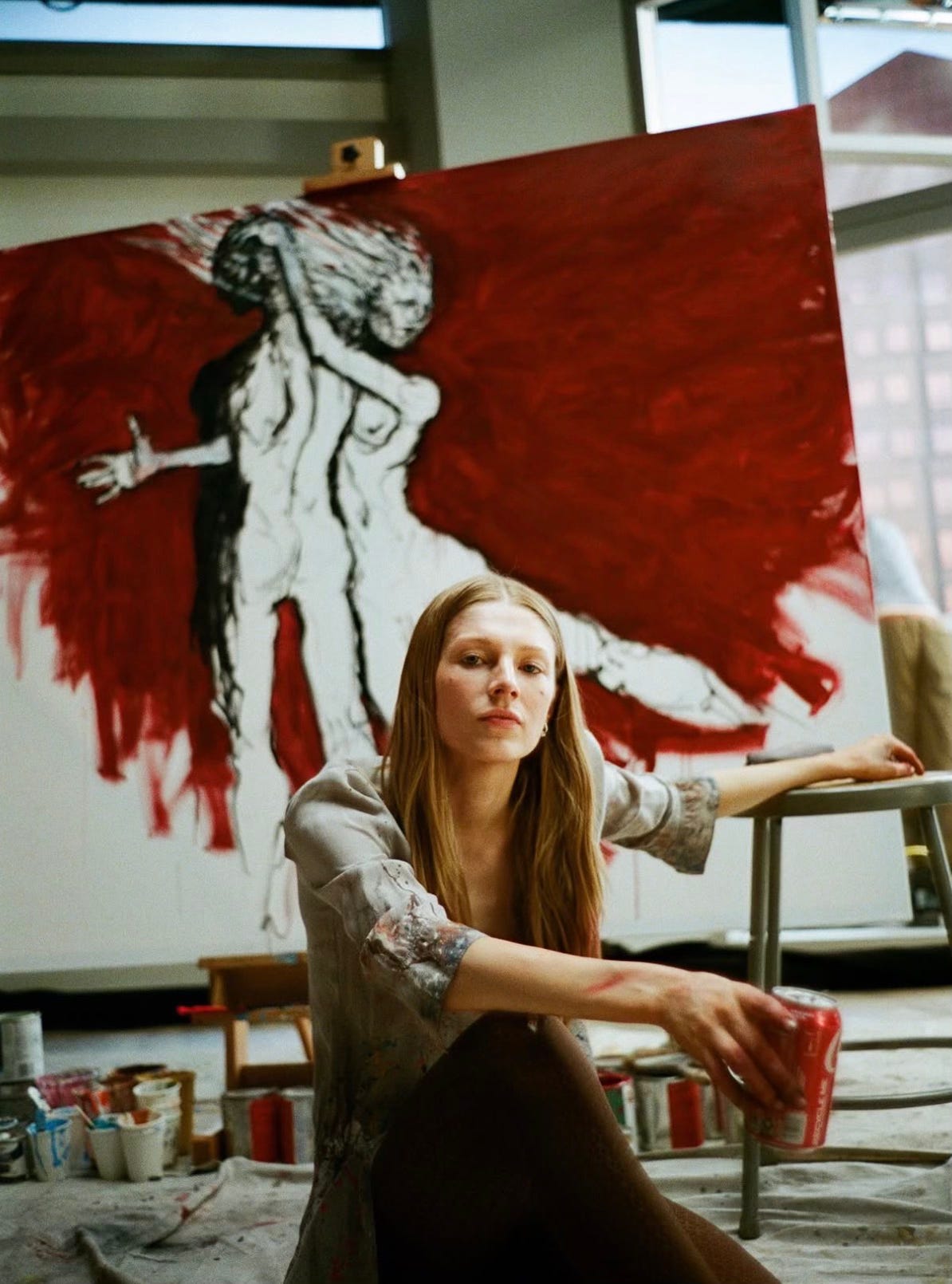
Very quickly within the first few episodes we see what happens when Levinson runs out of Petra Collins’ fuel and vision boards. Character depth was reduced to cartoonish subplots. Jules was once a vibrant and central character yet she was now reduced to a dull and disconnected sugar baby plot where she drops out of art school and is particularly cruel to Rue. Rue becomes a drug mule with thick plot armor for the most part, Nate somehow both became a pansy and got embroiled with organized crime while trying to build a nursing home on endangered flower land, and Cassie became a wet dream for the incel manosphere—not much acting for Sydney Sweeney there.
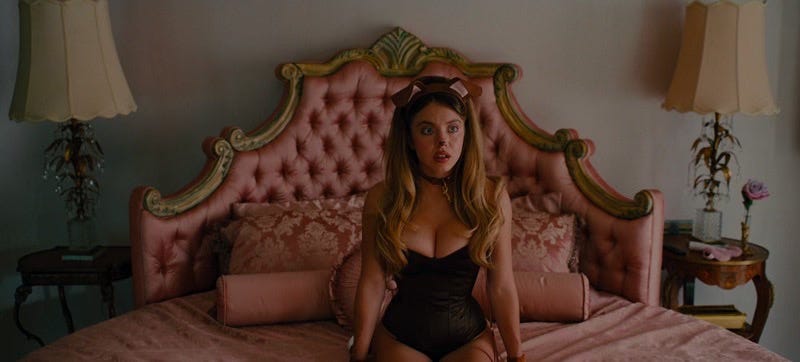
Overall the series seemed to have lost its soul. Style was prioritized over substance. We saw more flashy visuals and cunt walks than we had of intimate dialogue and cohesive storytelling. We saw more of Kitty’s BBL and Cassie’s tits than we saw of Jules. For a while there, we had an interesting new character by the name of Alamo, played by Adewale Akinnuoye-Agbaje, who did a phenomenal job with what he was given. However, even he couldn’t escape Sam’s poor writing, and eventually his character became a misogynist edgelord creep wrapped in cringe. Reddit users have expressed that the introduction of neo-Nazi and white supremacist drug gangs feels tacked-on and is not meaningfully explored through the show’s biracial Black protagonist, Rue. There was a Tarantino-esque air to the N-word being thrown around and although in one scene Alamo’s character is clearly upset by the racist slur, he takes further offence to being called a ‘pig’ later in the scene by Laurie, a moment which has left fans divided. There was a lot of confrontational dialogue that many users on Reddit described as forced, race-motivated, and out of place for the show’s setting.
I could go on and on about everything wrong about this season and how unforgivably bad it was, however I have not seen much discourse over Rue’s death. Believe me, I was not one bit upset over Rue’s death, in the sense that Zendaya is having one of the best years of her life and career and I want her out of Sam’s grasp as soon and as far as possible. Nonetheless I felt this was Zendaya’s best performance as Rue. What upset me was that Rue spent the entire season showing us—and telling us—how desperately she wanted to change, only for her death to be reduced to, “Well, she was an addict.”. In Sam’s own words, “The honest ending is people like Rue don’t make it...People relapse. They f–k up. They’re not ready to get clean. There’s no reason to sugarcoat it”. He also added that, “In terms of the story that we set out to tell, which is a story about addiction and its consequences, this feels like the end to me”. While that is a valid take—and I’m no stranger to addiction or its harsh realities—I still think it’s a cheap conclusion. It reduces Rue’s death, and everything she fought for, to the fact that she was an addict. God forbid an addict with heavy trauma doesn’t have her shit together by the time she’s 23. While Lexi’s character seemed the most grounded in logic especially when it came to Cassie, even she seemed dismissive and judgemental of Rue, judging her by her past when Rue tried to open up to her.
With heavy religious and allegorical symbolism, and even slipping up and telling Alamo her goal was to go “legit”, her path to “being better” was constantly derailed by her environment and mounting pressures from both the DEA and local dealers. She showed survival over morality and gave us an act of preservation by working in Alamo’s strip club in order to distance from Laurie. This was her most sober season yet. I would actually argue that Rue’s death is more everyone else’s fault than it is her being an addict. She maintained sobriety amidst everything happening, while being deep in the drug world—She did not die because she was an addict. She didn’t down a bottle or recklessly relapse—girly pop was dragged by a horse on gravel dirt, had a gash on her hand that required stitches and a broken nose. She was manipulated by Alamo into taking an unlaced pill with her and granting her time off. This false sense of security made Rue trust that the pills HE gave her were safe and meant solely to manage her pain, leading her to ingest them while staying at Ali’s house. While Rue’s overdose scene was undeniably cinematic—one of the most visually beautiful sequences the show has ever produced—it also felt strangely detached. The tribute to Fez was heartfelt and easily one of the sequence’s strongest moments, but it also owed much of its emotional weight to the real life loss of Angus Cloud. Ironically, I found myself mourning the actor more than the show’s central character. As breathtaking as the sequence was, it seemed more invested in creating a beautiful ending than in honoring Rue herself.
What’s perhaps even stranger is what comes after. Rue is arguably the central character of Euphoria, yet we never see a funeral. We never really see people grieve her beyond a few passing conversations weighed down by guilt. The show spends more time mythologizing her death than mourning her absence, and that emotional void made the ending feel oddly hollow. While Lexi is confiding in Cassie on her guilt regarding Rue’s death, Cassie responds, “Yeah, well, she was an addict.” Not only did Rue not die because she was an addict, but it’s the kind of cold, matter-of-fact dismissal that too many people struggling with addiction receive. As though the complexity of their lives, the progress they made, and the love they inspired can all be eclipsed by a single label. As though their humanity begins and ends with the worst thing they’ve ever battled. Rue’s character was probably the only one this season who showed true growth and depth and she, like many other addicts, were reduced to just that, being an addict.
Overall, I felt the show contradicts its own portrayal of addiction by flattening Rue’s death into a moral inevitability, despite spending the season showing how external forces—not just addiction—kept sabotaging her attempts to change. If there was one saving grace in the finale, it was Colman Domingo, whose presence once again brought a level of humanity and emotional honesty that the writing itself too often failed to reach.