


One concept I wish society didn’t push on Cancer, brain tumor, and chronic illness survivors of any kind, is the idea that once you’re out of treatment, you can go back to how things were before. I think when you are first diagnosed or enduring treatment, everyone rallies around you.You get offered all these resources, people bringing you and your family meals, get well soon cards and words of encouragement, and so on. You have this constant cheerleading squad by your side. You receive texts or cards with words of encouragement, prayer, and support.
Then once you finish treatment, and it all fades away, to quiet whispers, to background noise, then eventually nothing…
No one understands that just because treatment ends the hard part doesn’t mean the hard part ends. It’s only just beginning and it gets more difficult as time goes on.
After treatment, everyone just expects you to go back to how you were before, except you don’t. You now battle fatigue, anxiety, pain, and physical limitations, and so much more daily. According to a study done in 2020, 3 out of 5 survivors develop late effects. (Klonoff-Cohen & Polavarapu, 2020). While the study noted most of these effects were not life-threatening, they cause severe issues that affect health and quality of life. The authors of this article stated “survivors can struggle daily with: a) the complications of late effects (e.g., cardiomyopathy, central nervous system problems [thinking, learning, memory, fatigue], sexual health and fertility, and lymphedema) as well as risks of cancer recurrences, b) psychosocial difficulties of late effects such as anxiety, depression, relationship complications, body image disturbances, and poor self-esteem, and c) financial consequences of late effects including unemployment, medical insurance, and finances.” (2020)
Simply going back to your daily life after treatment is finished is an adjustment period in itself. When your pep squad leaves you on your own after treatment, you are left to navigate your new normal on your own, jumping over obstacles that are flying down your road to recovery left and right, all while grieving your past self. One of my friends, who is a brain cancer survivor, once said , “Everyone is worried, of course, when you’re in treatment with a bleak prognosis, but after the 5-year mark, or whatever, they’re like, ‘okay, move on.’ But we can’t, because this will affect us for our whole lives.”
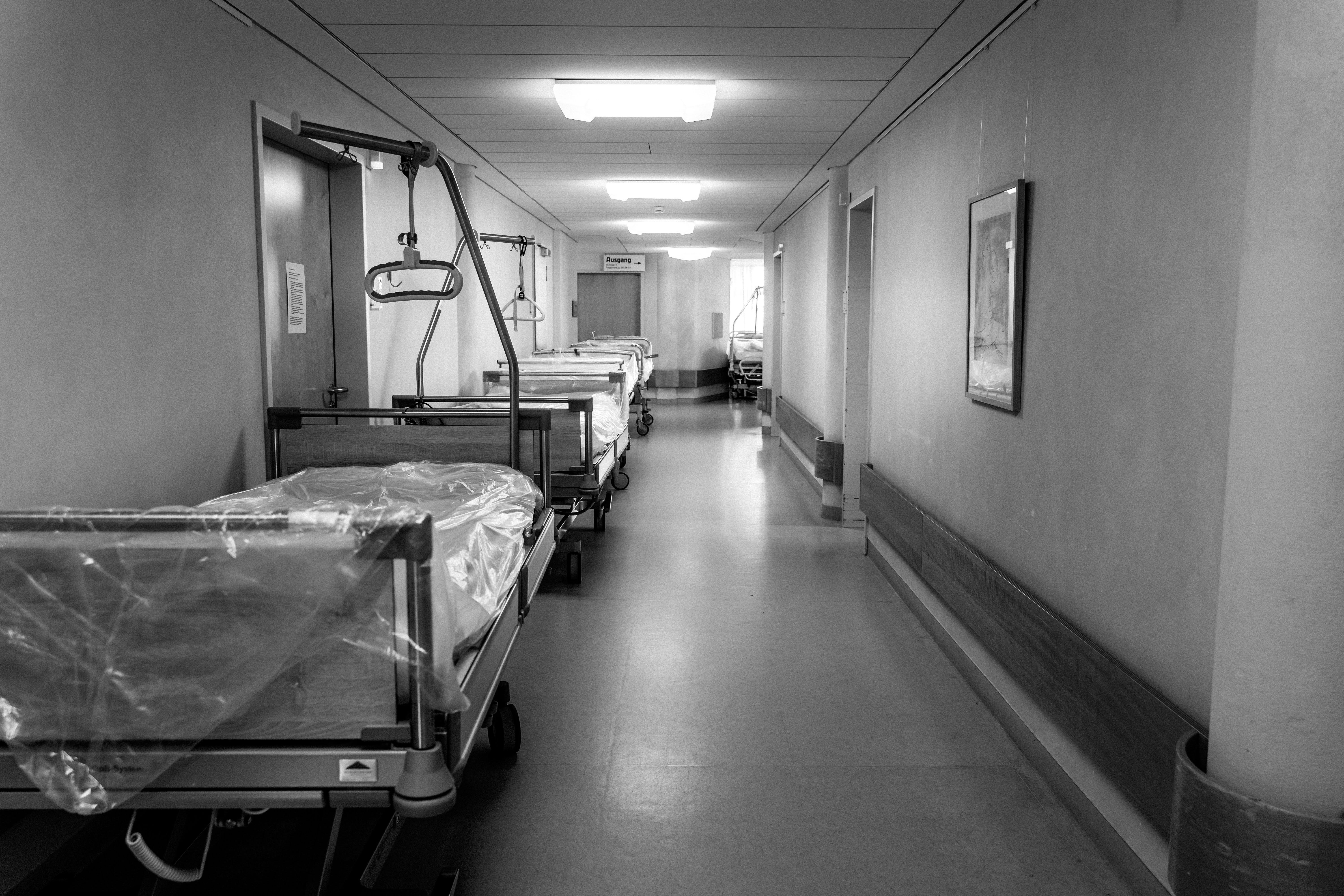
After the treatments are done, everyone leaves you in the room, turning the light off behind them as they walk out. Your people don’t realize the darkness survivors face for years. The side effects that consume the entirety of our lives. Or if they do, they don’t know what to say, and the quiet becomes too loud, the darkness of it all is too consuming for them, and they leave you there all by yourself. I know for myself, even 18 years after my diagnosis, I sometimes just wish someone would have just sat with me through it all. But it’s like at the movies, the credits have started playing, so everyone leaves, not anticipating the bonus scene of late effects that will now start playing.
Edited by Hanna Villegas
Sources:
Klonoff-Cohen, H., & Polavarapu, M. (2020). Existence of late-effects instruments for cancer survivors: A systematic review. PloS one, 15(2), e0229222.https://doi.org/10.1371/journal.pone.0229222

EXACTLY. THIS.