


The other day, I saw an article from the Department of Labor stating that it is legal for employers to pay employees with disabilities below minimum wage. This made me furious and incredibly frustrated. According to the U.S. Department of Labor Wage and Hour Division, it is authorized under Section 14C of the Fair Labor Standards Act of 1938. This act was put into place to help create employment opportunities for people with disabilities, since many were institutionalized and/or did not have access to educational opportunities at the time (Urban Institute, p. 1).
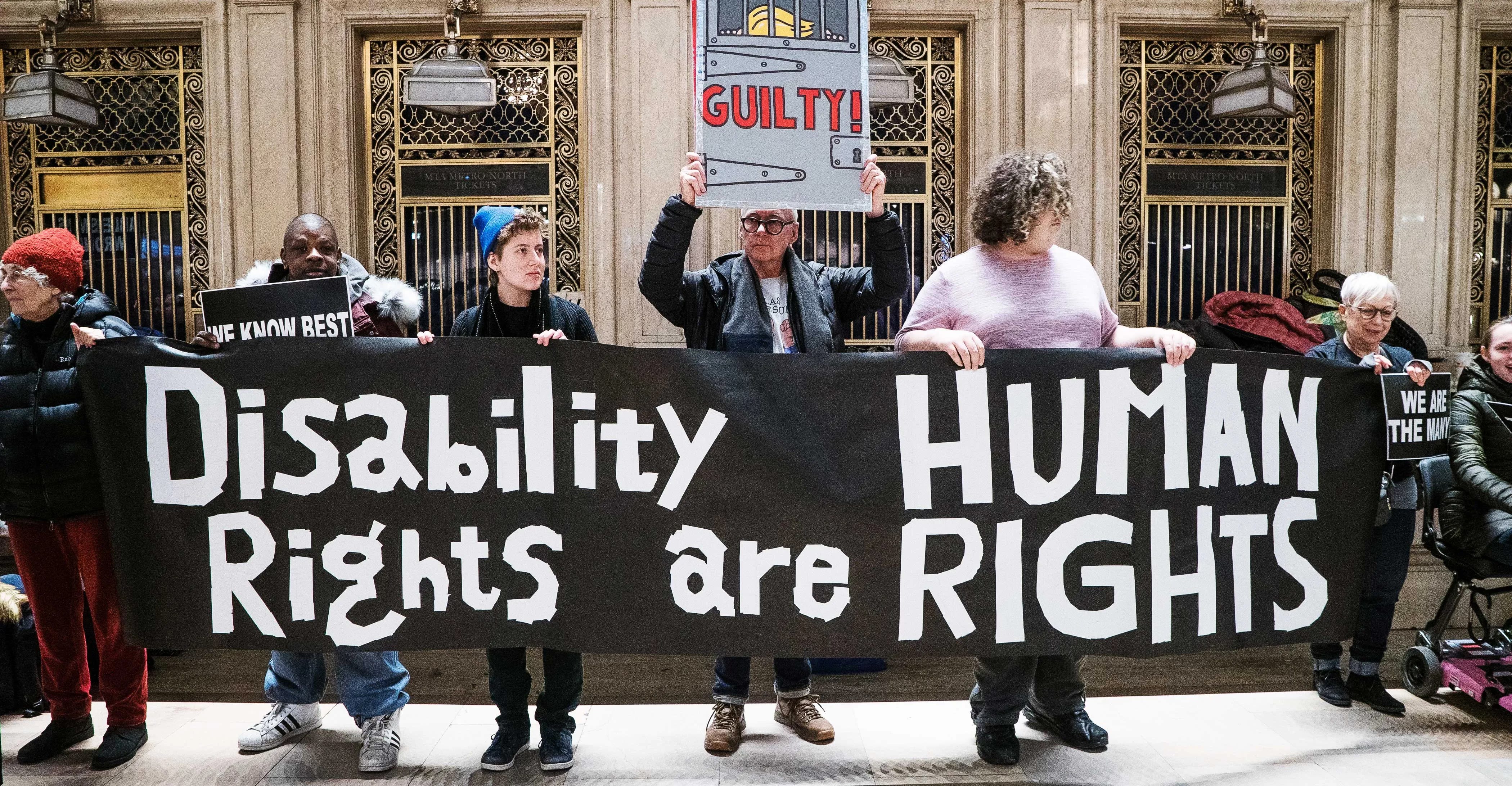
I understand that this authorization was put into place to promote those with disabilities in the workplace. At the same time, things have changed since it was enacted almost 100 years ago! People with disabilities are no longer institutionalized or denied access to educational opportunities as frequently as they were in the 1930s. I just cannot understand why we make such a big deal over inclusion in education and recreation, but not in the workplace.
Plus, for those of us with chronic illnesses, we may experience flare-ups on some days that might hinder our work performance slightly, but that does not mean on days without flare-ups, we don’t work just as hard or as passionately as someone who doesn’t have our condition. If anything, on those symptom-free days, we work harder than our able-bodied co-workers, because we know that our energy may not last long. People with disabilities have to put in an increased amount of dedication and effort to reach the same outcomes as their able-bodied co-workers, because, on top of our work responsibilities, we are also dealing with unmet modification needs, along with systemic barriers and stigma.
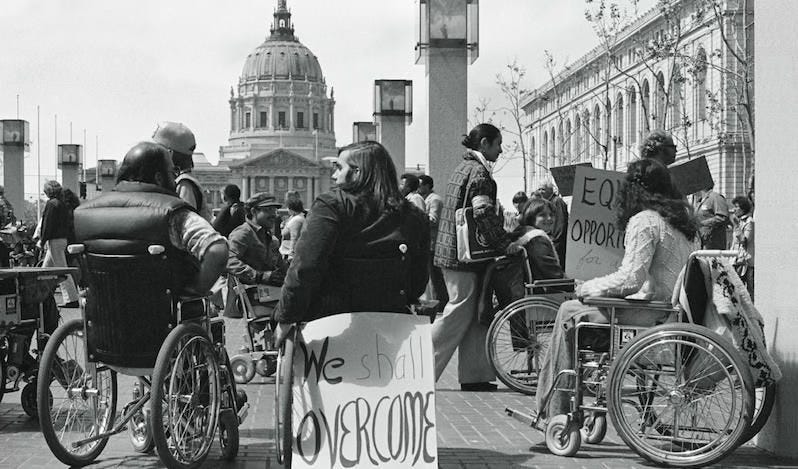
For employees with disabilities, we are not only doing our jobs, but also putting in more effort than our non-disabled co-workers because we have to navigate and adapt to physical or social barriers in a workplace not designed for us. In fact, according to a study by the Institute of Corporate Productivity, “3 out of 4 employers ranked disabled employees to be just as good as – or better than – others in terms of work quality, attendance, and motivation” (People Business, p. 1).
Additionally, assistive technology and devices did not exist back in 1938, but we have made great strides in this area. We have screen readers, speech and voice-recognition software, E-readers, ramps, electric wheelchairs, and so much more. We have made many advancements in science and technology that help better support people with disabilities in their workplace environments.
While I do understand that this legislation is extremely important for those who have more severe developmental or socio-emotional disabilities, it is not fair to those of us who have disabilities and are more capable of doing things on our own, be it with assistive devices or not. I completely get that this legislation is mostly for those with developmental disabilities. However, who is to say that if an employer finds out that the person they are hiring has a disability, they won’t decide to pay them less because of that, even if the disability doesn’t hinder their work performance?
I know that this legislation helps those with developmental disabilities, but for those of us who have conditions that affect us differently, it can be crippling and diminishes our value. The wording of this law shouldn’t lump all impairments into one category. Not all limitations are the same or affect everyone in the same way. Employers are very quick to translate disability to liability, but that isn’t the case for every person with a disability. This is why I strongly believe it is critical that this piece of legislation be changed, or at least reworded, as soon as possible.
Edited by Jacquie Galvano
Sources:
People Business. (2025, March 3). Employing people with disabilities - blog. https://www.peoplebusiness.co.uk/employing-people-with-disabilities/
Sawo, M., Ferrante, D., & Weaver, A. (2025, January 14). It’s legal for some employers to pay disabled workers less than the minimum wage. Ending this practice is just a first step toward supporting their economic stability | Urban Institute. Urban Institute. https://www.urban.org/urban-wire/its-legal-some-employers-pay-disabled-workers-less-minimum-wage-ending-practice-just
“Updated July 2024: Trends and Current Status of 14(c).” U.S. Department of Labor Wage and Hour Division (USDOL, 14(c) Certificate Holders, 7/2024). American Community Survey (ACS, Employment Data, 2022). APSE, 7361 Calhoun Place, Suite 680, Rockville, MD 20855. Accessed October 2023.https://apse.org/final-14c-statement-3_26_19/
