


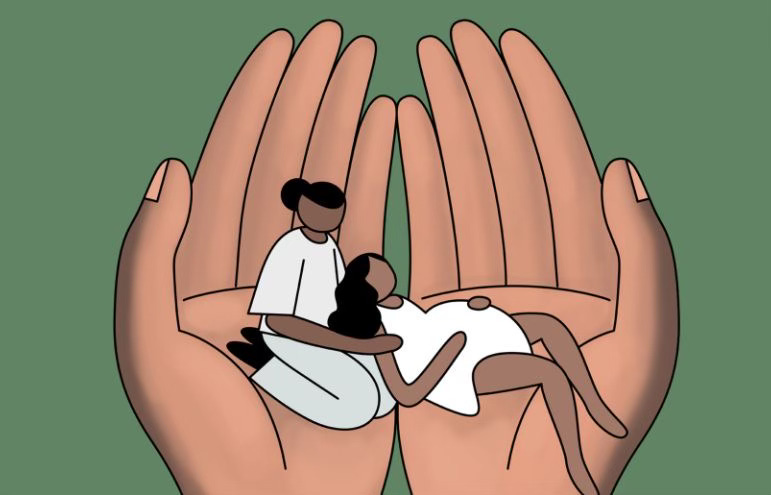
As Black Maternal Health Week comes to a close, the conversations it sparks cannot end here. This week is more than a moment of awareness, it is a reminder of an ongoing public health crisis that continues to impact Black women and birthing people across the United States every single day.
I was first made aware of just how severe maternal health disparities are for Black women long before I ever had my son. Around that time, a friend of mine from high school, a Black woman, was experiencing a difficult pregnancy, and it forced me to pay closer attention. That awareness deepened when I read an article around that same time while doing some research and learned how Serena Williams quite literally had to save her own life after giving birth.
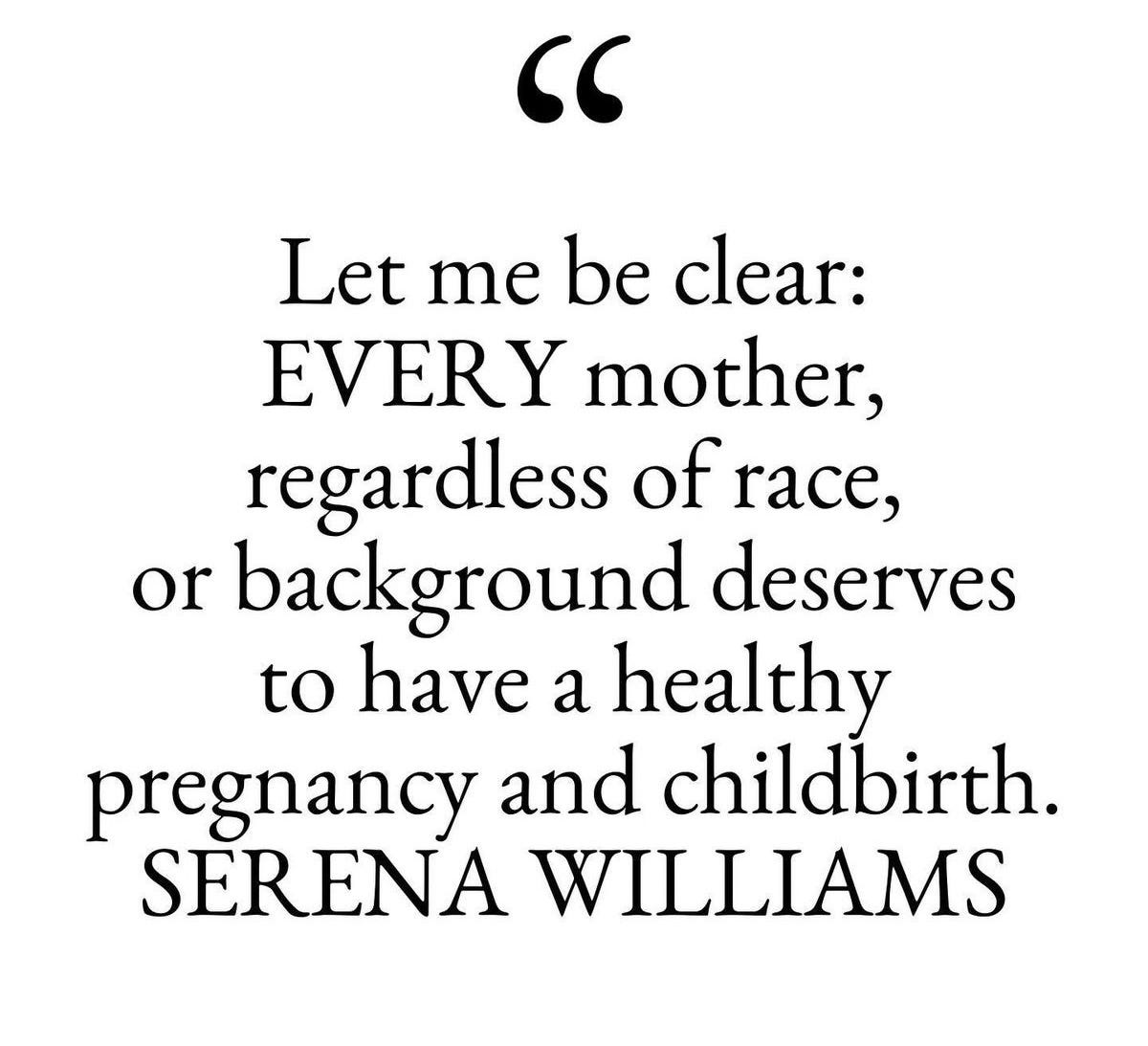
After delivering her daughter via emergency C-section in 2017, Williams, who has a history of blood clots, began to feel short of breath. Recognizing the symptoms of a pulmonary embolism, she immediately alerted medical staff and requested a CT scan along with blood thinners. Her concerns were initially dismissed, and she was instead given pain medication. As her condition worsened, further testing was finally conducted, confirming multiple blood clots in her lungs. The severe coughing that followed caused her C-section incision to reopen, leading to additional complications and multiple surgeries.
Her experience is a stark example of what so many Black women face not only during labor but in healthcare in general: not being listened to, even when they know something is wrong. While Serena Williams had the knowledge, resources, and platform to advocate for herself, many Black women do not, making these outcomes even more dangerous and, too often, fatal.
Organizations like the Black Mamas Matter Alliance (BMMA) have spent years pushing this issue into the national spotlight, they are actually the key original organizers of Black Maternal Health Week. Their work centers Black mamas and birthing people, advocating for research, policY change, and cultural shifts that prioritize equity, dignity, and care. The data they’ve compiled tells a story that is both urgent and impossible to ignore.
In the United States, Black women are three to five times more likely to die from pregnancy related causes than white women. In 2024, that reality looks like a maternal mortality rate of 44.8 per 100,000 live births, compared to 14.2 for white women. Even more devastating is the fact that over 80% of these deaths are preventable.
Despite an estimated $111 billion spent annually on maternal, prenatal, and newborn care, the United States continues to have some of the worst maternal and infant health outcomes among high-income nations. The issue is not simply access, it is the quality, consistency, and equity of care being delivered.
Black women are more likely to experience preterm labor as well as life-threatening conditions such as preeclampsia, embolisms, and hypertensive disorders. They also face higher rates of chronic conditions like diabetes and cardiovascular disease, all of which increase the risk of complications during pregnancy and postpartum. A powerful experience shared just yesterday was by artist Jennifer White-Johnson who reveals her experience:
These disparities do not exist “just because”, they are rooted in systemic racism.
Research shows that even when accounting for income and insurance, Black women still receive lower-quality care. In fact, 22% of Black women report experiencing poorer treatment in healthcare settings, and a national study found that 67% experienced race-based discrimination when seeking reproductive or family planning services.
The impact of this goes beyond individual experiences. Chronic stress caused by racism and discrimination has measurable effects on the body, increasing risks during pregnancy and contributing to long-term health complications for both mother and child. Black women are also more likely to experience preventable chronic conditions such as hypertension, diabetes, and cardiovascular disease, as well as reproductive health disorders like fibroids and endometriosis.
Economic inequality further deepens these outcomes. Black women are typically paid just 62 cents for every dollar earned by non-Hispanic white men, with median wages significantly lower overall. This gap limits access to stable housing, nutritious food, and consistent healthcare. Workplace discrimination compounds these challenges, as many Black women are forced to return to work before they are fully healed or face penalties for taking necessary leave. Nearly three in ten pregnancy discrimination claims have been filed by Black women.
Access to care remains another critical barrier. Nearly half of U.S. counties lack an obstetrician-gynecologist, leaving millions without essential maternal health services—especially in rural and underserved communities.
Still, there are solutions, and they already exist.
Community-based care models, including doulas and midwives, have been shown to improve outcomes by providing culturally competent, continuous support throughout pregnancy and postpartum. These approaches reduce emergency interventions, lower healthcare costs, and help bridge the gap between patients and providers.
As this week comes to an end, it is important to remember that Black Maternal Health Week is not the conclusion of a conversation, it is a continuation of one that must remain at the forefront.
Behind every statistic is a life, and ensuring that Black mothers are heard, respected, and protected is not just a health issue, it is a matter of justice.
Sources
Black Maternal Health Alliance
Black Maternal Health Statistic Issue Brief
New York Times Article on Serena Williams Birth Complications
How Serena Williams Saved Her Own Life
Serena Williams: What my life-threatening experience taught me about giving birth